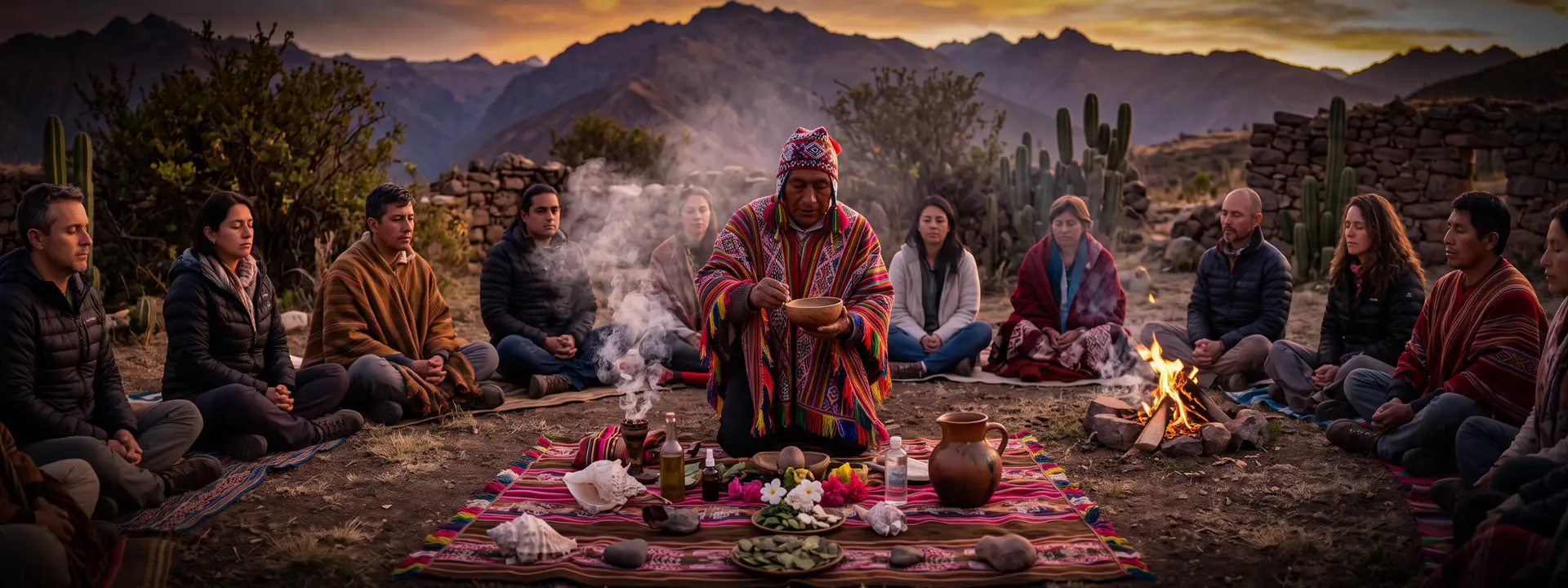
San Pedro (Wachuma): Andean Traditions, Ceremonies and Safety
San Pedro, also known as Wachuma or Huachuma in certain cultural contexts, is a columnar cactus with a long history of ceremonial and traditional healing use in parts of South America. Its cultural significance extends beyond its psychoactive properties, encompassing traditional knowledge, ritual practices and different understandings of the relationship between people, nature and spirituality.
Today, interest in the San Pedro cactus has grown among travellers researching Andean traditions and contemporary spiritual experiences in Peru. However, the practices documented in traditional communities are not necessarily the same as the ceremonies and retreats offered to visitors today.
Understanding San Pedro requires more than learning about its effects. It also involves examining its botanical identity, historical background, cultural meanings and potential health risks.
This guide explores the relationship between San Pedro and Andean traditions, explains what is known about its reported effects and scientific evidence, and highlights important considerations for anyone researching Wachuma experiences in Peru.
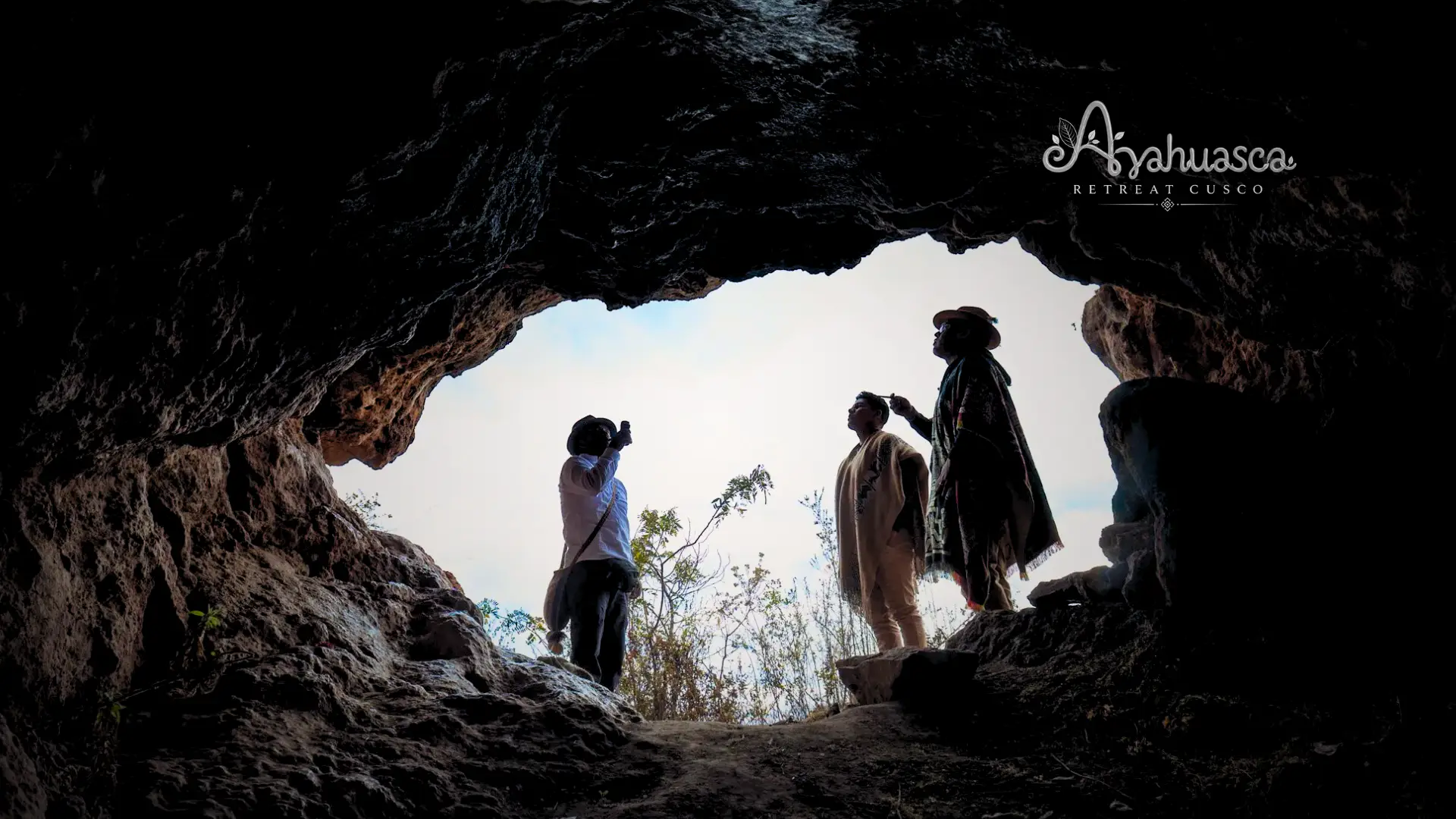
What Is the San Pedro Cactus?
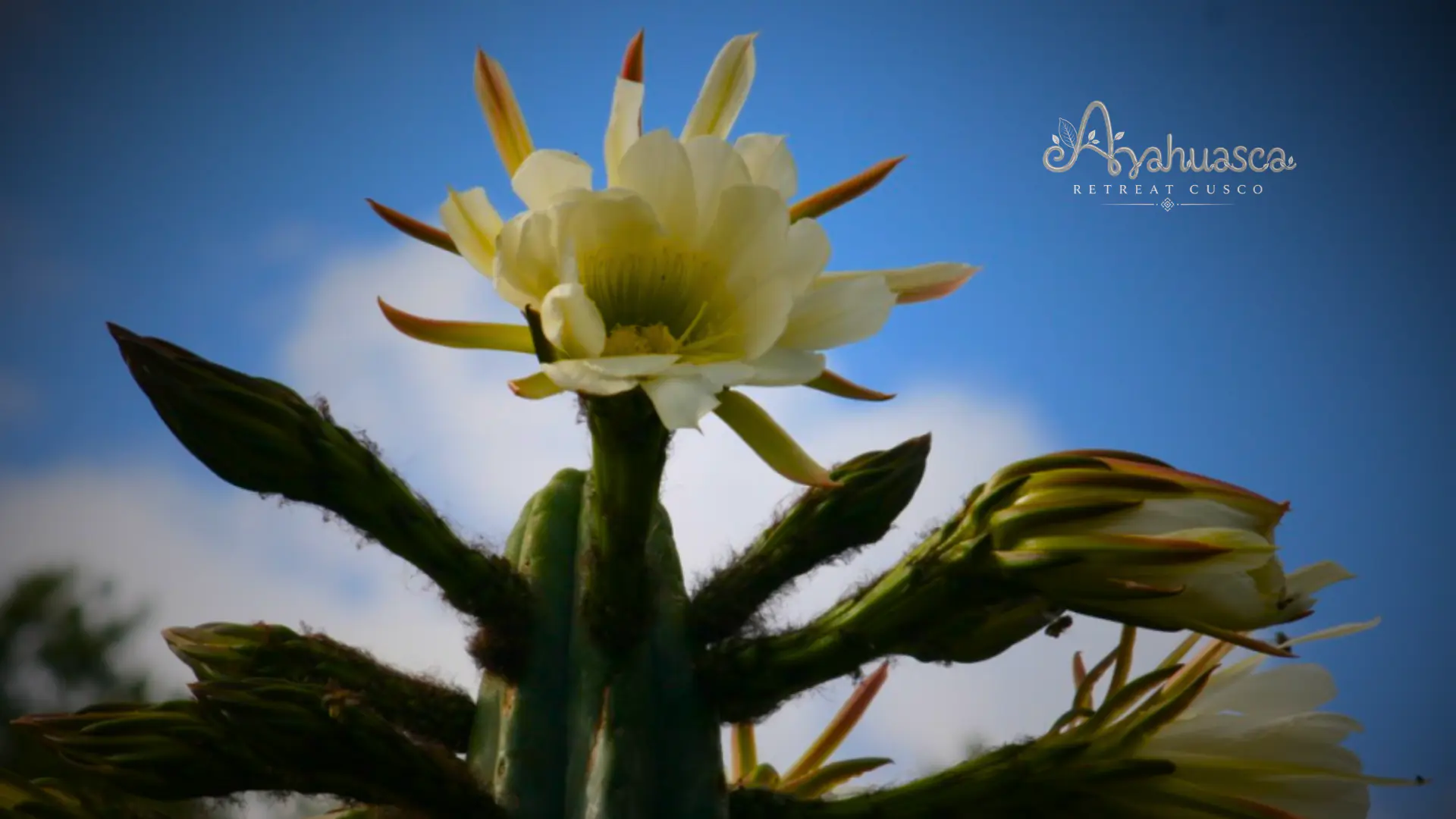
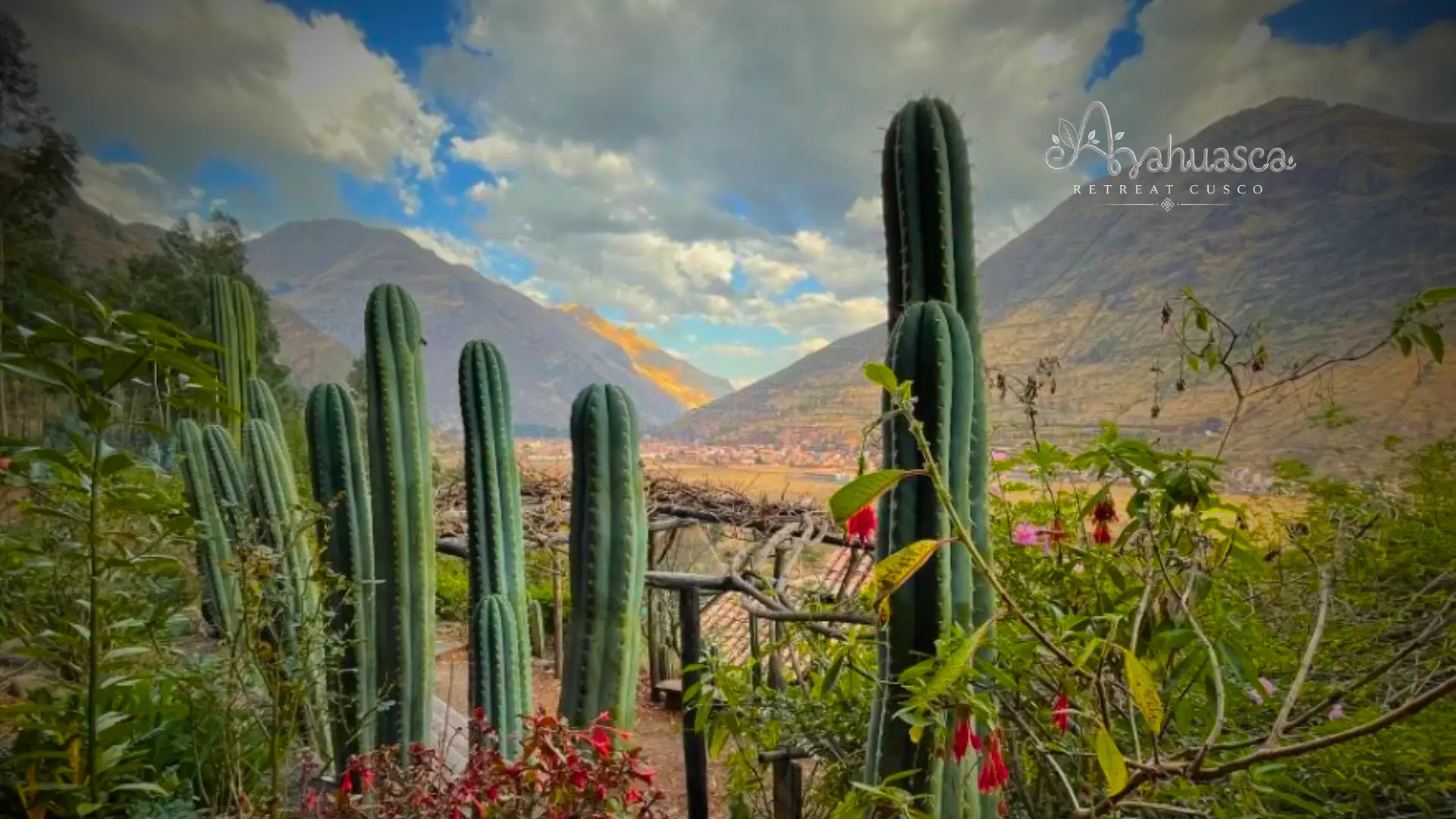
San Pedro is the common name for certain columnar cacti native to the Andean regions of South America. One species commonly associated with this name is Echinopsis pachanoi, although other related species may also be called San Pedro.
The cactus contains mescaline, a naturally occurring psychoactive alkaloid that can alter perception, mood and subjective experience. The composition of cactus preparations may vary, so their effects cannot be assumed to be identical in every case.
San Pedro has been documented in traditional ceremonial and healing practices, particularly in northern Peru. Within these contexts, the plant may form part of a broader system of knowledge involving ritual practices, interpretations of illness and relationships between people and their environment.
Its historical and cultural significance should therefore be understood alongside its botanical and psychoactive properties.
San Pedro, Wachuma and Huachuma: What Is the Difference?
San Pedro, Wachuma and Huachuma are names associated with the cactus and practices involving it. Their use can vary according to regional language, cultural context and local tradition.
In many contemporary settings, Wachuma and Huachuma are used to refer to San Pedro or experiences associated with the plant. However, the terminology does not necessarily indicate a single, standardised ceremonial practice.
For example, a traditional healing ritual documented in northern Peru should not automatically be considered equivalent to every contemporary ceremony advertised as a Wachuma experience.
Understanding these distinctions helps avoid treating diverse cultural practices as though they all share the same history, meaning and structure.
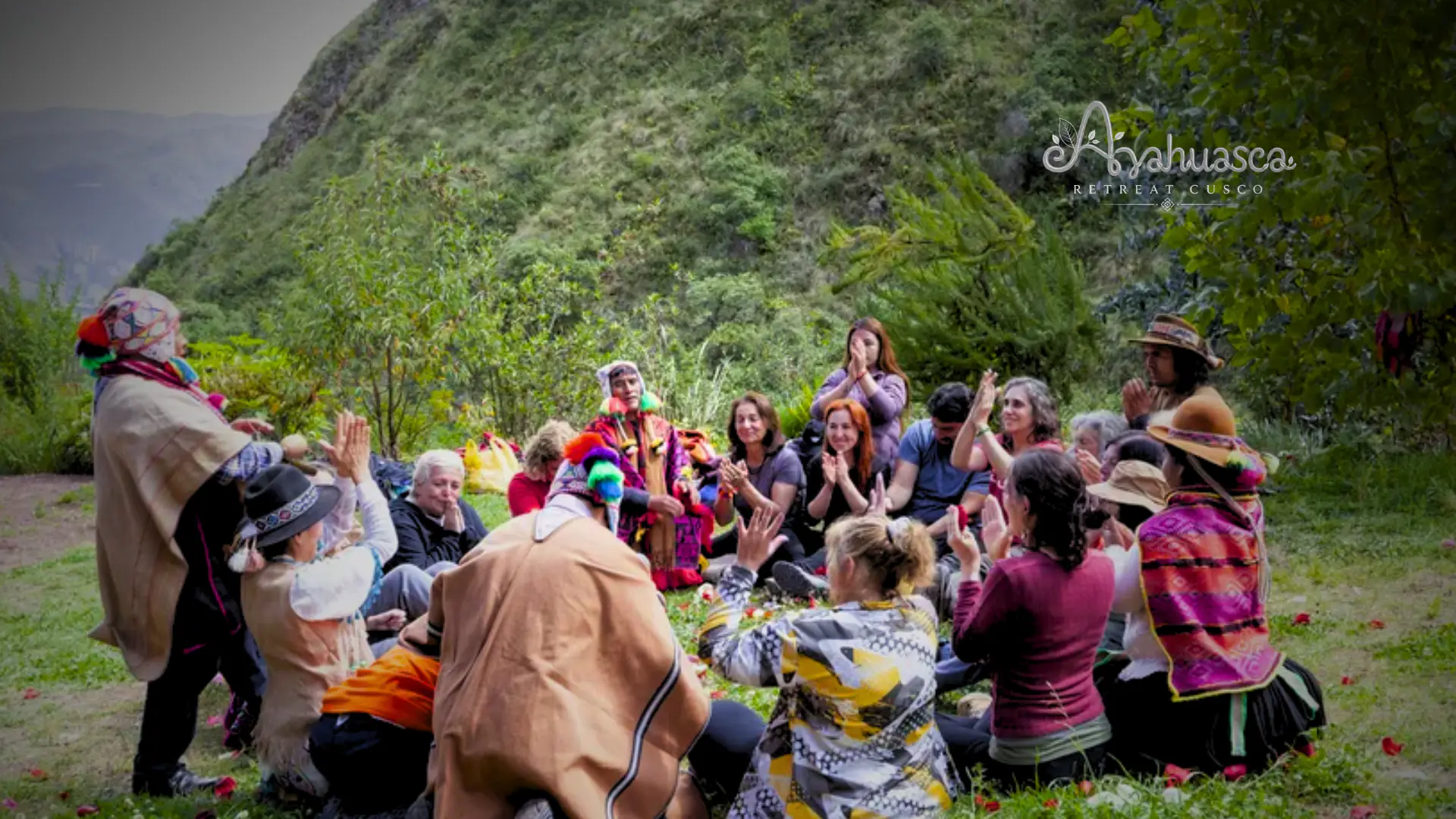
The Historical Roots of San Pedro in Andean Traditions
The use of San Pedro has a long history in parts of South America. Archaeological findings, historical accounts and ethnographic research provide different forms of evidence about the relationship between psychoactive plants and ceremonial practices in the region.
Research published in the Journal of Archaeological Science has identified mescaline in ancient human remains from Peru's southern coast. This finding provides direct evidence of historical exposure to mescaline, although the identification of the compound alone does not establish every detail of the plant preparation or the ritual context in which it was used.
Other archaeological and ethnographic research has documented the importance of San Pedro in particular Andean cultural settings, especially in northern Peru.
These findings contribute to our understanding of the historical use of psychoactive plants. Nevertheless, evidence from one archaeological site or community should not be generalised to every Andean society.
Archaeological Evidence and Traditional Healing
In northern Peru, ethnographic studies describe San Pedro as part of traditional healing practices conducted by specialists commonly associated with curanderismo.
Depending on the practitioner and cultural context, these practices may incorporate ritual objects, symbolic actions, prayers and interpretations of illness that differ from modern biomedical explanations.
In 2022, Peru's Ministry of Culture recognised the traditional knowledge, practices and uses of the San Pedro cactus in northern Peruvian curanderismo as part of the country's National Cultural Heritage.
This recognition highlights the cultural importance of the knowledge associated with the plant. It also reinforces the need to understand San Pedro within its historical and social context rather than reducing it to its psychoactive effects.
Traditional knowledge, archaeological evidence and contemporary scientific research contribute different perspectives. Although they can inform one another, they should not be treated as interchangeable forms of evidence.
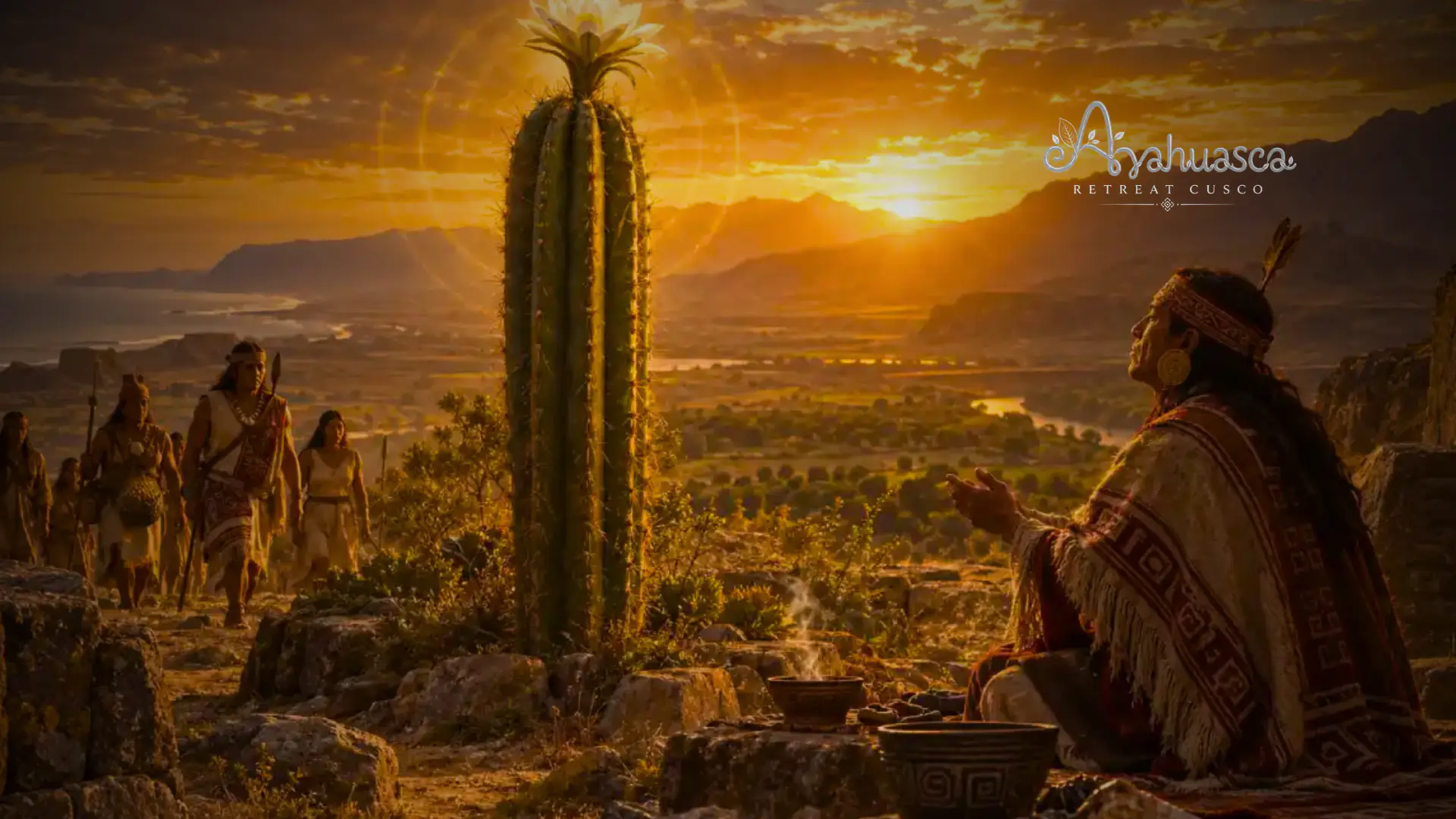
What Does Wachuma Mean in Andean Culture?
Within certain Andean traditions, Wachuma is understood through cultural and spiritual frameworks that connect human life, the natural environment and healing practices.
The meanings associated with the cactus depend on the community, practitioner and specific tradition. In some contexts, it forms part of ritual practices intended to help traditional practitioners interpret illness or address what they understand as imbalances.
These interpretations belong to particular cultural knowledge systems. They should not be presented as beliefs shared by every Andean community, nor should traditional explanations of healing automatically be interpreted as medically established mechanisms.
The term Andean worldview also encompasses diverse communities, languages, histories and relationships with the natural environment. There is no single interpretation that represents every tradition throughout the Andes.
Understanding Wachuma therefore requires attention to regional differences and respect for the people who maintain and transmit this knowledge.
What Happens During a San Pedro Ceremony?
A San Pedro ceremony is not a single, universally standardised practice. Its purpose, structure and cultural meaning may differ according to the region, practitioner and tradition involved.
In documented traditional healing contexts, ceremonies may include symbolic objects, prayers, ritual actions and other elements connected to the practitioner's approach to healing. The plant may form one part of a wider practice rather than being the sole focus of the ritual.
Contemporary experiences organised for travellers can follow different formats. Some may describe themselves as spiritual ceremonies, while others may be presented as cultural or personal-development experiences.
The use of the same name does not establish that these experiences reproduce a particular historical tradition.
Why Ceremonies Differ by Region and Tradition
There is no universal format for a Wachuma ceremony. Practices can differ in their purpose, the role of the practitioner, the cultural knowledge involved and the elements included.
When researching a particular experience, it is useful to understand who leads it, how the practitioner describes their background and tradition, and what the experience actually involves.
Claims of an unchanged ancestral practice should be approached carefully unless there is evidence supporting them.
Respect for cultural heritage includes recognising that traditions can evolve and that contemporary spiritual experiences may reflect a combination of inherited knowledge and modern influences.
What Are the Effects of San Pedro?
The psychoactive effects of San Pedro are primarily associated with mescaline, although the composition of cactus preparations can vary.
Mescaline can affect perception, mood, thought patterns and the way people experience their surroundings. Responses differ considerably, and the effects may involve both psychological and physical changes.
The experience should not be assumed to be predictable or beneficial simply because the cactus has a long history of traditional use.
Psychological and Perceptual Effects
Reported effects associated with mescaline include:
Changes in visual perception.
Altered perception of time and space.
Changes in mood and emotional responses.
Heightened sensitivity to environmental stimuli.
Changes in thought patterns and subjective experience.
Possible anxiety, confusion or psychological distress.
People may interpret their experiences through personal, spiritual or cultural frameworks. However, an experience that feels meaningful to an individual is not, by itself, evidence of psychological healing or a clinically demonstrated therapeutic benefit.
The nature and intensity of the effects can vary, and not every experience is positive.
Physical Effects and Potential Health Risks
Mescaline can also produce physical effects, including nausea, vomiting, increased heart rate and elevated blood pressure. Headaches, discomfort and other adverse effects may occur.
The scientific literature on mescaline remains limited in several areas, including its long-term effects and safety in people with underlying medical or psychiatric conditions.
The composition of a cactus preparation may also be uncertain, making it difficult to predict the effects of an unstandardised product.
For these reasons, the traditional use of San Pedro should not be interpreted as evidence that every preparation, participant or ceremonial setting is free from risk.
Does San Pedro Have Proven Therapeutic Benefits?
San Pedro has a documented role in traditional healing systems in some communities, and mescaline continues to attract scientific interest.
However, traditional use and modern clinical evidence represent different forms of knowledge. The historical importance of a plant does not, by itself, demonstrate that it is an effective treatment for a medical condition.
Current scientific evidence does not establish San Pedro as a proven medical treatment for physical or mental health conditions. Research on mescaline remains limited, and findings from controlled scientific studies cannot automatically be applied to traditional cactus preparations or unregulated ceremonial settings.
It is also important to distinguish between an individual's reported experience and evidence of clinical effectiveness. Personal accounts may describe perceived changes in mood, perspective or wellbeing, but these reports do not establish that a substance reliably treats a condition.
Anyone considering San Pedro for health-related reasons should consult a qualified healthcare professional rather than treating a ceremony or retreat as a substitute for established medical care.
Frequently Asked Questions About San Pedro and Wachuma
What is San Pedro?
San Pedro is the common name for certain columnar cacti native to South America, including Echinopsis pachanoi. The cactus contains mescaline and has a documented history of use in some traditional ceremonial and healing practices.
Is Wachuma the same as San Pedro?
Wachuma and Huachuma are names commonly associated with San Pedro and practices involving the cactus. Their precise meaning and use can vary according to cultural and regional context.
What does San Pedro contain?
San Pedro contains various compounds, including the psychoactive alkaloid mescaline. The composition of a cactus preparation may vary, so its effects cannot be assumed to be identical in every case.
What happens during a Wachuma ceremony?
A Wachuma ceremony is a ritual practice associated with the cactus in certain traditional or contemporary settings. Its purpose, structure and cultural meaning depend on the practitioner and tradition involved. <
What effects can San Pedro produce?
San Pedro contains mescaline, which can alter perception, mood and subjective experience. Physical effects may include nausea, vomiting, increased heart rate and elevated blood pressure. Psychological distress can also occur.
Does San Pedro have proven therapeutic benefits?
San Pedro has a documented role in some traditional healing practices, but current scientific evidence does not establish it as a proven medical treatment. Further research is needed to understand mescaline's effects, clinical applications and potential risks.
Is a San Pedro ceremony in Cusco the same as a traditional Andean ritual?
Not necessarily. Contemporary experiences offered in Cusco may differ from practices documented in particular Andean communities. Their cultural background, leadership and format should be evaluated individually.
What is the difference between a San Pedro ceremony and a retreat?
A ceremony generally refers to a particular ritual gathering, while a retreat may include a broader programme of activities over several hours or days. The actual format depends on the organiser.
Is San Pedro safe for everyone?
No. Mescaline can produce physical and psychological effects, and its safety has not been established for every medical or psychiatric condition. People with health concerns, those taking medication and anyone who is pregnant should seek qualified medical advice before considering exposure.
Is San Pedro part of Andean cultural heritage?
San Pedro has a documented history of use in certain South American ceremonial and healing traditions. In Peru, traditional knowledge and practices associated with the cactus in northern Peruvian curanderismo received National Cultural Heritage recognition in 2022. This recognition relates to a specific cultural context and should not be generalised to every Andean community.
Gallery
Wachuma does not pull you inward like ayahuasca — it opens your eyes to what was already around you.
— Ayahuasca Retreat Cusco Team
Discussions
No comments yet.
Leave your opinion
Have an account? to comment with your profile