Ayahuasca Retreat in Peru: What to Expect Before You Go
If you are planning a trip to Peru and considering an ayahuasca retreat, you may have questions about what actually happens during the experience.
What is an ayahuasca retreat? How does a ceremony work? How long does a retreat last? What should you bring? Is there a specific diet? And what should a first-time participant know before attending a ceremony?
An ayahuasca retreat is a structured experience centred around the ceremonial use of ayahuasca, a psychoactive plant preparation with longstanding connections to Indigenous and traditional practices in the Amazon.
In Peru, the traditional knowledge and uses of ayahuasca practiced by Amazonian Indigenous communities were declared National Cultural Heritage in 2008. This recognition highlights the cultural importance of these traditions and their continuity within Amazonian communities.
However, an ayahuasca retreat is not the same everywhere. The ceremonies, preparation, accommodation, food, number of participants and level of support can vary considerably between retreats.
What Is an Ayahuasca Retreat?
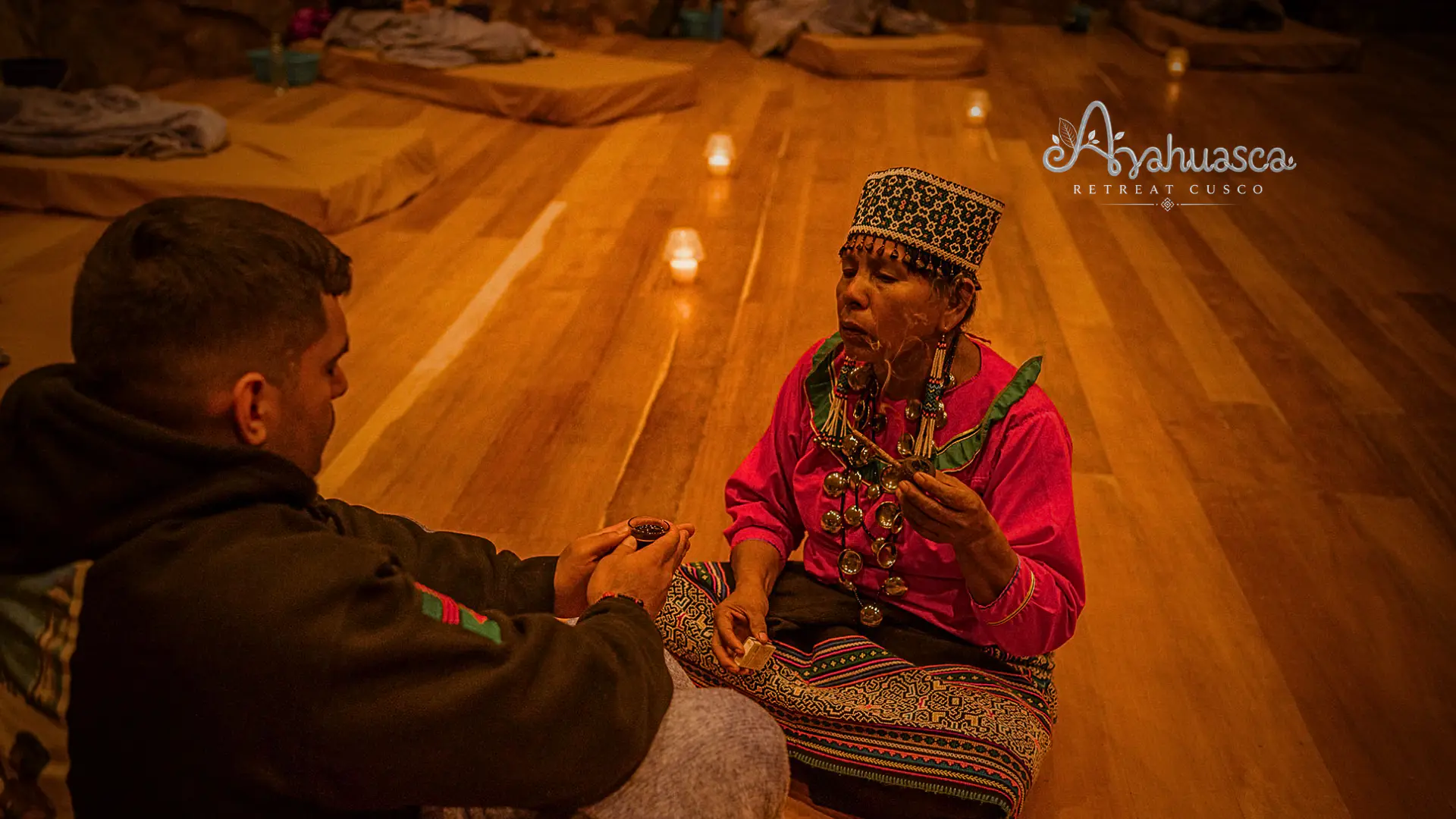
An ayahuasca retreat is a multi-day programme or organised experience centred around one or more ayahuasca ceremonies.
Unlike attending a single ceremony, a retreat usually gives participants additional time before and after the ceremony. Depending on the programme, this may include preparation sessions, meals, rest, time in nature, conversations with facilitators and opportunities for personal reflection or integration.
A retreat may take place in the Amazon or another region of Peru, depending on the provider and tradition.
What Can Vary Between Ayahuasca Retreats?
The exact experience depends on factors such as:
The tradition followed by the retreat
The person leading the ceremony
The location
The number of ceremonies
The length of the programme
The preparation provided
The type of accommodation
The support available before and after the ceremony
For international travellers, it is important not to assume that every ayahuasca retreat in Peru follows the same structure.
How Does an Ayahuasca Retreat in Peru Work?
There is no universal itinerary for an ayahuasca retreat. However, many programmes can be understood through three broad stages: preparation, ceremony and integration.
Preparation Before the Ceremony
Before participating, you should receive information about the retreat, the schedule and what is expected from participants.
Preparation may include guidance about:
Food and drinks
Rest
Personal habits
The ceremony itself
What to bring
Practical arrangements
Health information and medication
Some retreats also recommend what is commonly called an ayahuasca diet.
The important point is that there is no single dietary programme followed by every retreat.
The Ayahuasca Ceremony
The ceremony normally takes place in a designated space under the direction of the person responsible for conducting the ritual.
The setting can vary according to the tradition. Some ceremonies may include traditional songs known as icaros, periods of silence, prayers or other cultural and ceremonial practices.
The experience itself is highly individual.
Some participants report changes in perception, visual imagery, intense emotions, unusual thoughts, memories or introspection. Others may experience fewer visual effects and notice changes mainly in their emotions, thoughts or perception of time.
There is no standard experience that every participant should expect.
Integration After the Ceremony
After a ceremony, some retreats provide time for participants to rest, reflect, write, talk with a facilitator or share their experiences with others.
This process is often referred to as ayahuasca integration.
Integration can help participants reflect on what they experienced and how they personally understand it.
What Do You Do at an Ayahuasca Retreat?
If this will be your first retreat, you may wonder what you will actually do during the programme.
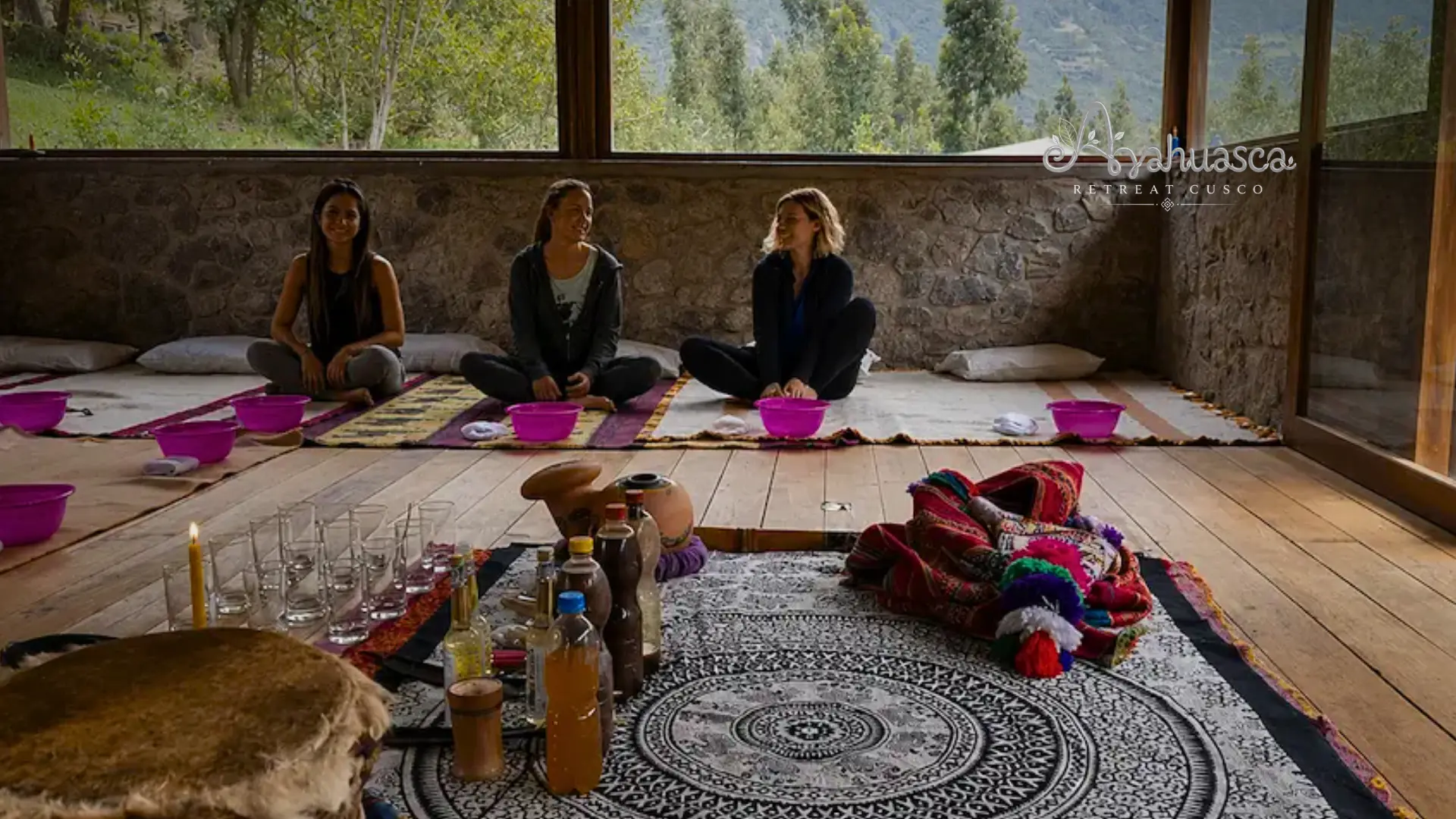
Depending on the retreat, activities may include:
Ayahuasca ceremonies
Preparation sessions
Meals according to the programme
Rest and quiet periods
Time in nature
Traditional songs or icaros
Conversations with a guide or facilitator
Personal reflection
Integration activities
What Is Usually Included in a Retreat?
Some retreats may offer additional cultural or nature-based activities, while others focus primarily on ceremonies and time for rest.
Before booking, ask for a clear itinerary so you know what is included in the programme and what is not.
What Can You Expect From an Ayahuasca Retreat?
One of the most important things to understand before attending an ayahuasca retreat is that you cannot predict exactly how your experience will feel.
Reported effects can include:
Changes in perception
Visual imagery
Altered perception of time
Intense emotions
Introspection
Nausea
Vomiting
Dizziness
Drowsiness
Temporary anxiety or fear
Temporary changes in heart rate or blood pressure.
Can Everyone Expect the Same Ayahuasca Experience?
No. Ayahuasca can affect people differently. For this reason, be cautious of retreats that guarantee specific outcomes.
A responsible programme should not promise that you will:
See particular visions
Receive a specific message
Heal a particular illness
Resolve a personal problem
Experience a guaranteed spiritual transformation
Your experience may be very different from another participant's.
What Can You See During an Ayahuasca Ceremony?
This is one of the most common questions from first-time participants. Some people describe:
Colours and patterns
Shapes
Scenes
Memories
Symbolic or emotionally significant imagery
Others experience mainly thoughts, emotions or changes in perception without clearly defined visual images.
Why Is the Experience Different for Each Person?
Even the same person may have very different experiences at different ceremonies. For this reason, it is better not to attend expecting to see something specific.
The experience can be influenced by multiple factors, including the individual, the ceremonial environment, preparation and the particular preparation that is consumed.
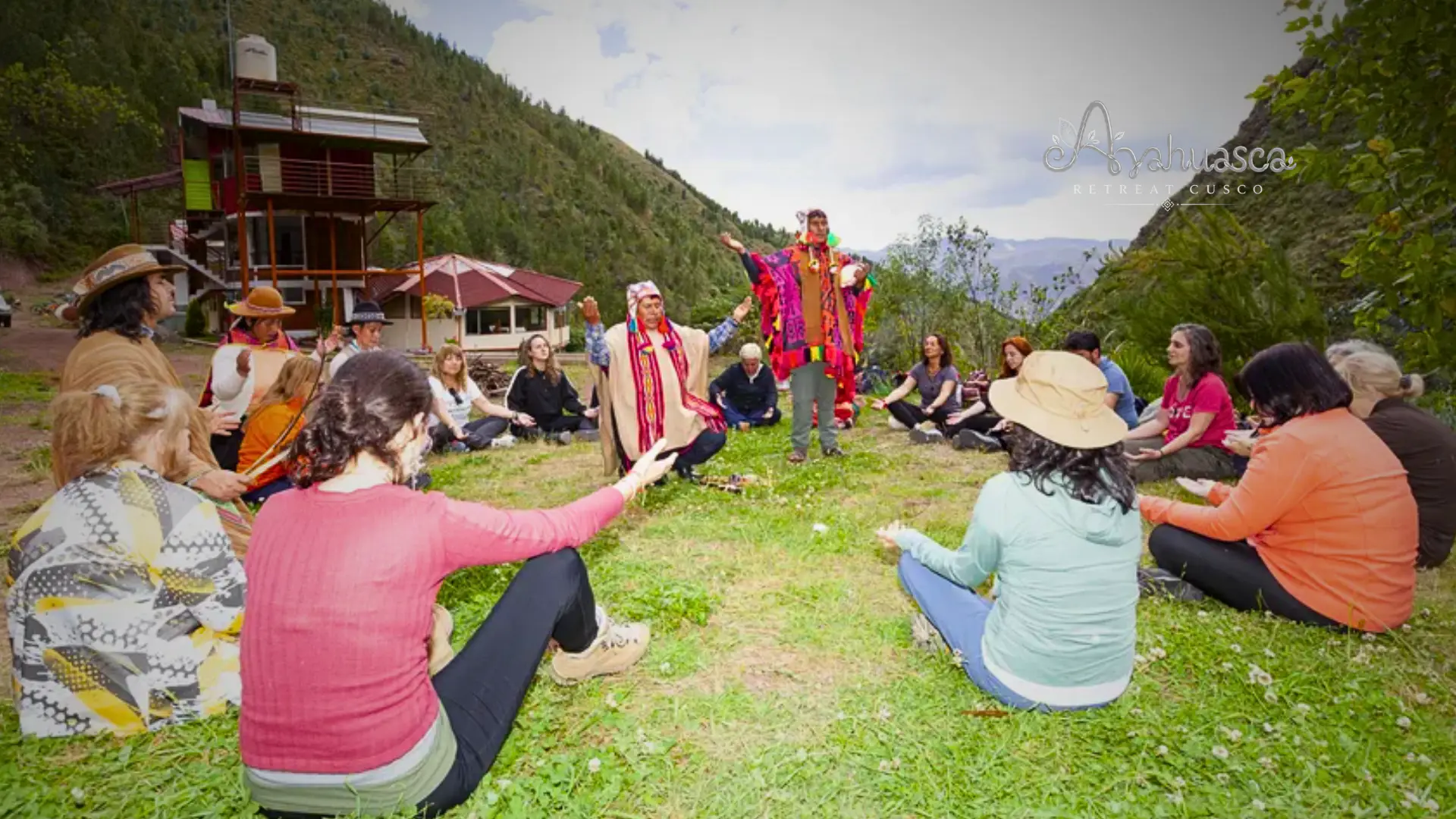
How Should You Prepare for an Ayahuasca Retreat in Peru?
Preparation starts before you arrive in Peru. First, understand the programme you are booking. Check the duration, accommodation, meals, transportation, number of ceremonies and preparation requirements.
If the retreat provides dietary recommendations, follow the instructions given by that specific programme rather than assuming that every retreat follows the same rules.
It is also important to communicate relevant health information and medication use to the responsible provider.
What Is the Ayahuasca Diet?
The term ayahuasca diet can refer to different practices depending on the retreat and cultural tradition.
In some traditional contexts, dietary restrictions form part of a broader spiritual or ceremonial preparation.
However, there is no universal diet that applies to every ayahuasca retreat.
What Should You Bring to an Ayahuasca Retreat?
Your packing list will depend on the location and length of your retreat. Useful items may include:
What to Bring | Why It May Be Useful |
|---|---|
Comfortable clothing | Suitable for resting and moving around easily. |
Comfortable footwear | Useful if the programme includes walking or time outdoors. |
Identification and travel documents | Keep the documents required for your trip with you. |
Insect repellent | Particularly useful for retreats in Amazonian areas. |
Rain protection | Weather conditions can change, especially in tropical areas. |
What Should You Know Before Your First Ayahuasca Retreat?
If you are travelling to Peru specifically to experience ayahuasca, take time to understand both the cultural context and the personal considerations involved.
Ayahuasca has an important place within traditional Amazonian knowledge and practices, and Peru formally recognises these traditional uses as part of the country's cultural heritage.
At the same time, ayahuasca is psychoactive and can produce significant changes in perception, emotions and physical sensations.
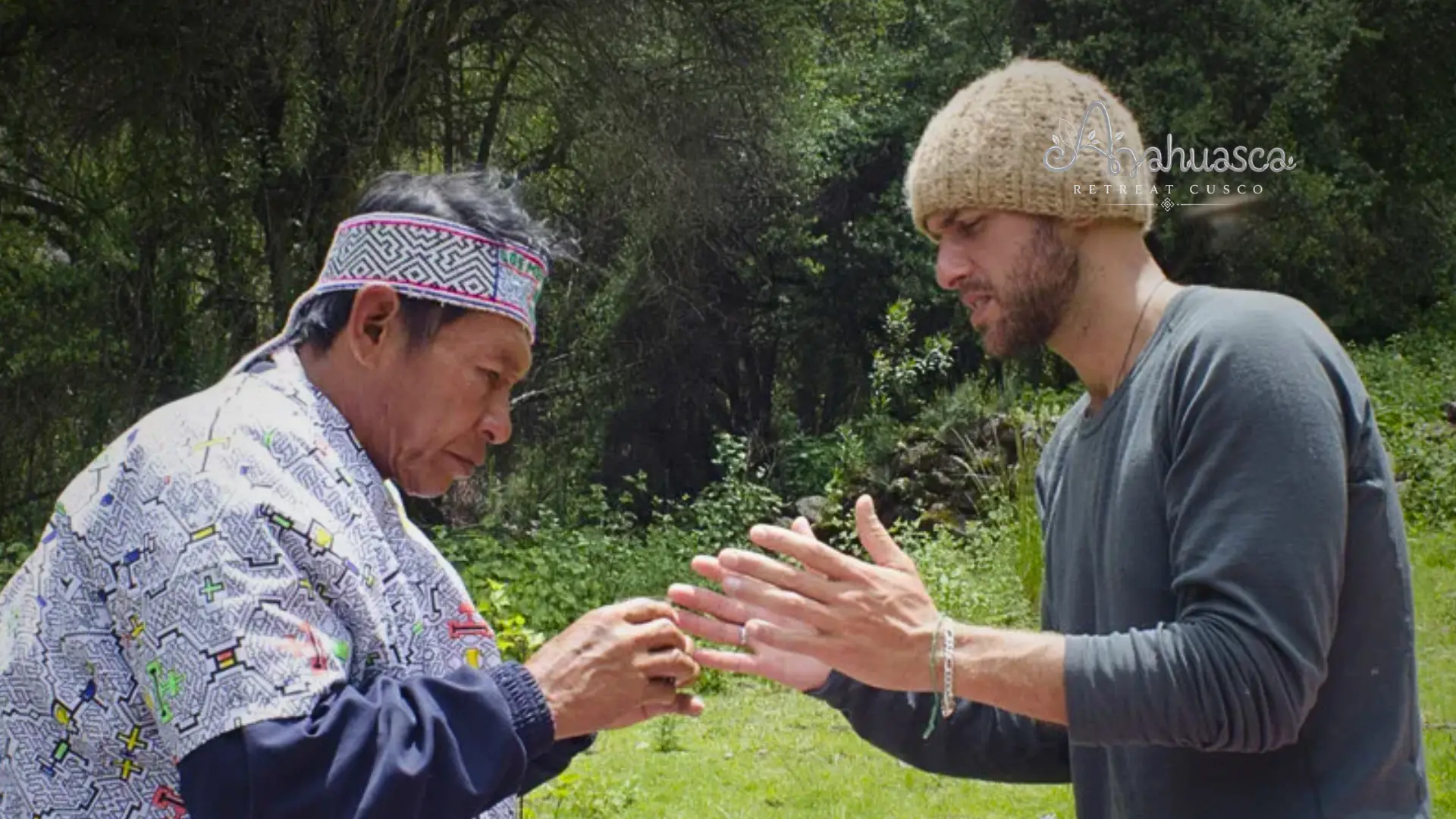
Gallery
To take ayahuasca, you must have a purpose or goal — curiosity alone is not enough.
— Ayahuasca Retreat Cusco Team
Available Tours
 1 days
1 Day Ayahuasca Experience in Cusco
 5 days
5-Day Ayahuasca Retreat in Huayopata - Cusco
 7 days
7 Day Journey of Ayahuasca, Andean Culture & Machu Picchu
 1 days
1 Day San Pedro (Wachuma) Experience in Cusco
 3 days
3 Day Ayahuasca Retreat in the Amazon Jungle
 4 days
Ayahuasca 4 Days
Discussions
No comments yet.
Leave your opinion
Have an account? to comment with your profile