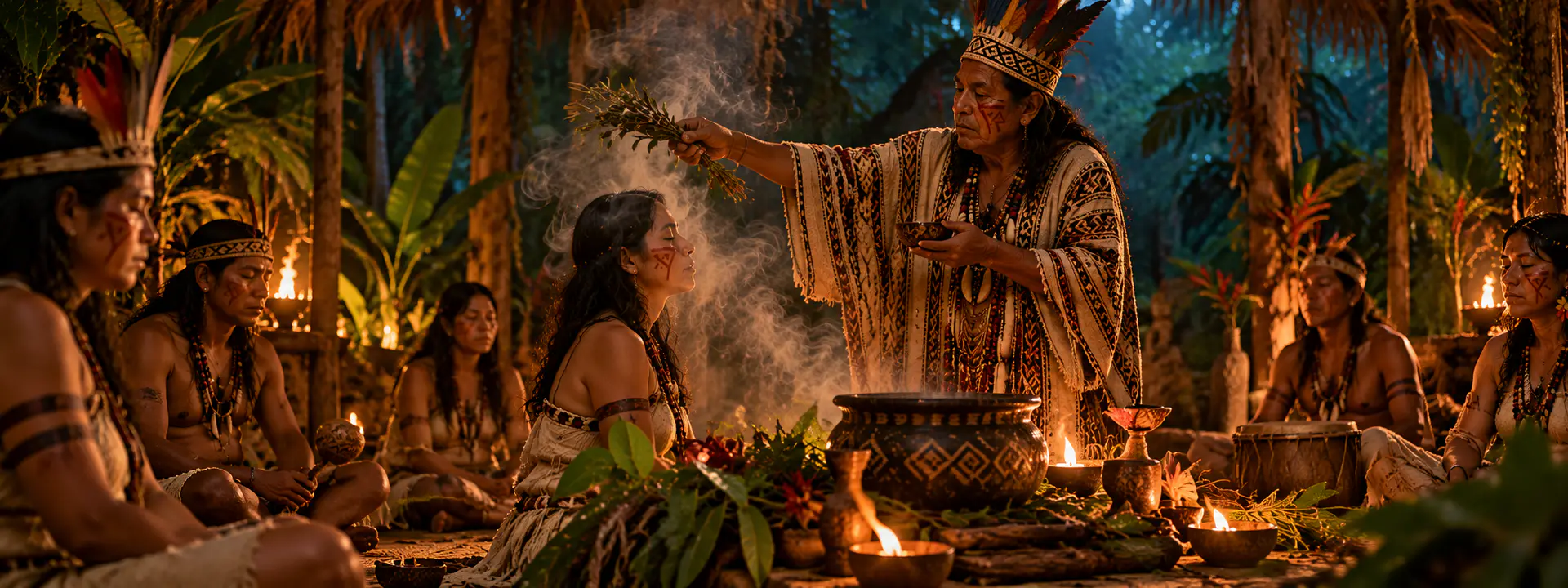
Ayahuasca and Indigenous Peoples of the Amazon: Traditional Knowledge and Cultural Practices
Ayahuasca has a long-standing cultural significance among certain Indigenous peoples of the Amazon. Its traditional use is connected to systems of knowledge, spiritual beliefs, cultural identity, and relationships between people and their environment. Within some communities, it forms part of broader traditions concerning health, spirituality, and the interpretation of the natural world.
However, Indigenous ayahuasca traditions are not uniform across the Amazon. Each people has its own history, language, worldview, and ways of transmitting knowledge between generations. Understanding this diversity is essential to appreciating ayahuasca beyond its growing popularity among international travelers.
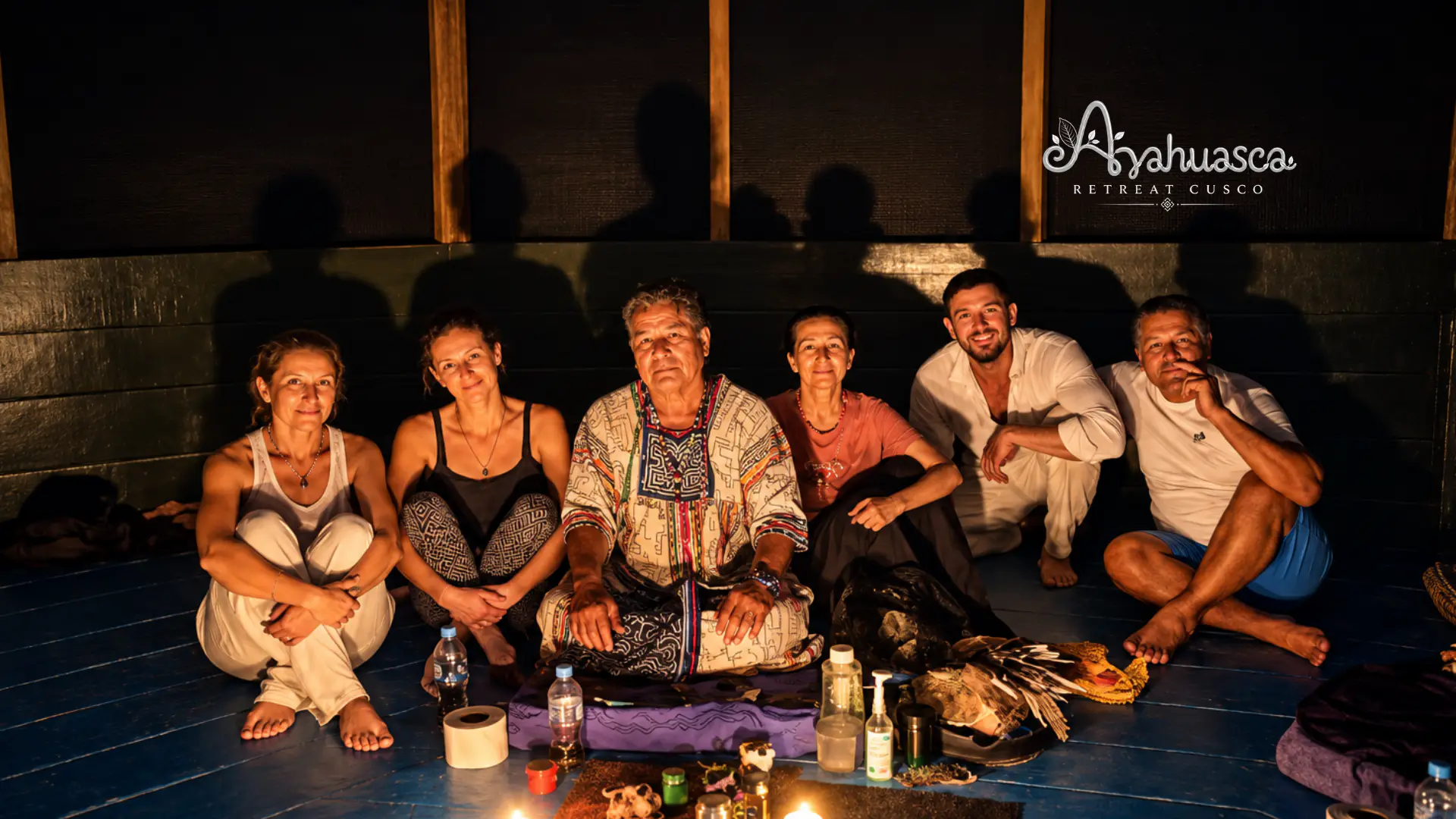
What Role Does Ayahuasca Play in Indigenous Amazonian Cultures?
The traditional use of ayahuasca is part of certain Amazonian Indigenous traditions, in which the preparation may be used in ceremonies guided by individuals who possess specialized cultural knowledge. In these contexts, its significance transcends the preparation itself, encompassing community beliefs, ceremonial practices, and knowledge passed down from generation to generation.
Indigenous traditions surrounding ayahuasca can vary in terms of preparation methods, terminology, ceremonial contexts, and cultural meanings. These differences reflect the distinct histories and knowledge systems of the communities that preserve them.
In Peru, the traditional knowledge and uses of ayahuasca, as practiced by Amazonian Indigenous communities, were recognized as Cultural Heritage of the Nation in 2008.
This recognition underscores the cultural importance of these traditions and their role in the continuity of Indigenous heritage.
For travelers interested in ayahuasca, it is essential to distinguish these community-based traditions from contemporary experiences offered outside of their original cultural contexts. Not all ceremonies promoted to visitors represent the practices, beliefs, or protocols of a specific Indigenous people.
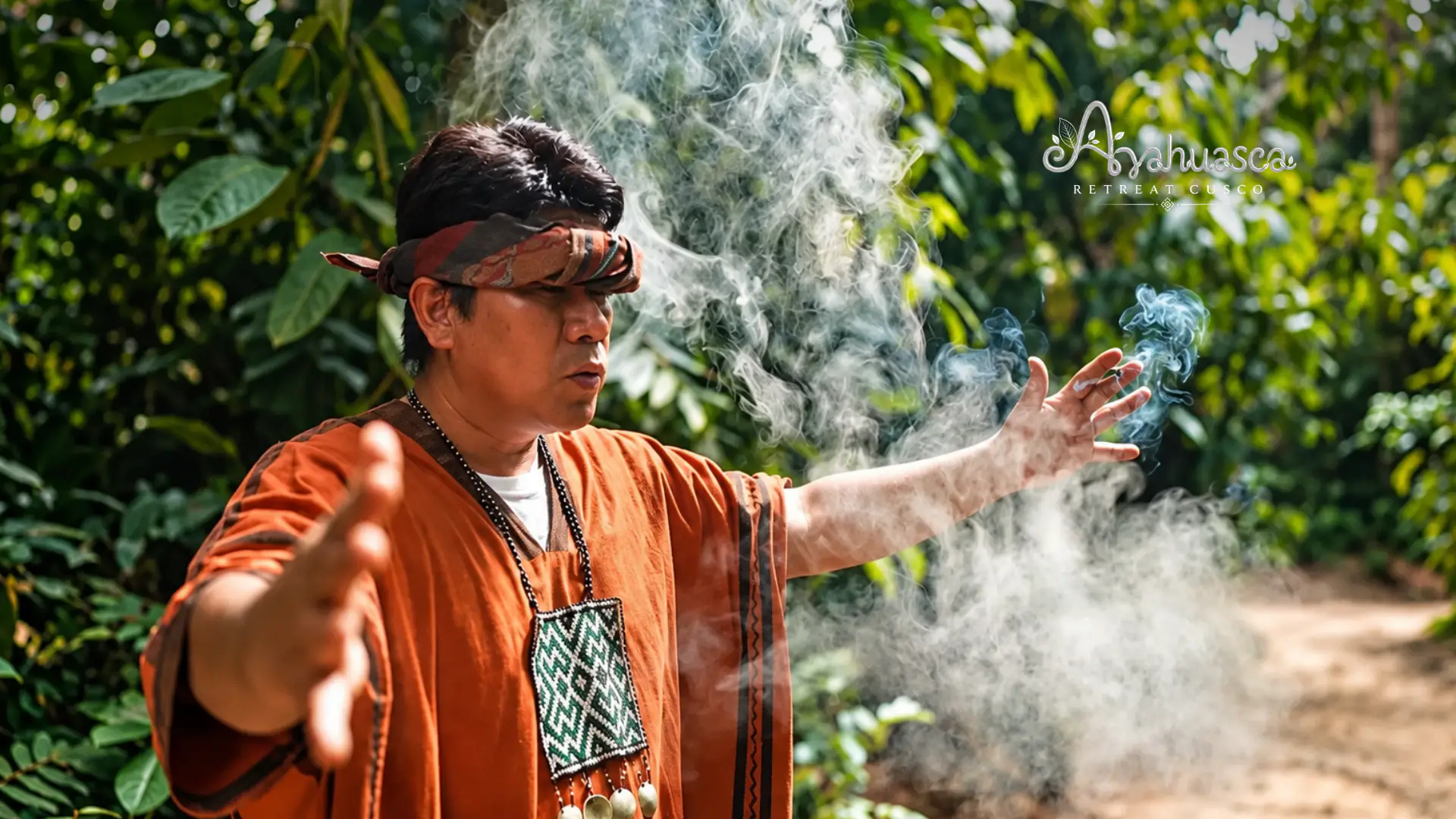
Traditional Plant Knowledge and Amazonian Traditional Medicine
Traditional plant knowledge is an important part of many Indigenous knowledge systems. Developed and transmitted over generations, it includes familiarity with local plant species, their traditional uses, and the cultural practices through which this knowledge is maintained.
Within certain Amazonian traditions, people with specialized knowledge may hold particular responsibilities in their communities. Learning can involve observation, oral instruction, guidance from experienced practitioners, and participation in culturally significant activities.
The Relationship Between Ayahuasca and Traditional Medicine
The relationship between ayahuasca and Amazonian traditional medicine must be understood within the cultural framework of each community. In some traditions, its use is associated with particular understandings of health, illness, spirituality, and the relationship between individuals and their surroundings.
These perspectives are part of distinct cultural knowledge systems and should be understood on their own terms. At the same time, traditional beliefs and practices should not automatically be interpreted as scientific evidence that a preparation can treat or cure a medical condition.
Recognizing this distinction allows travelers and researchers to approach traditional plant knowledge with cultural respect while maintaining a clear understanding of the difference between Indigenous worldviews and evidence-based medical claims.
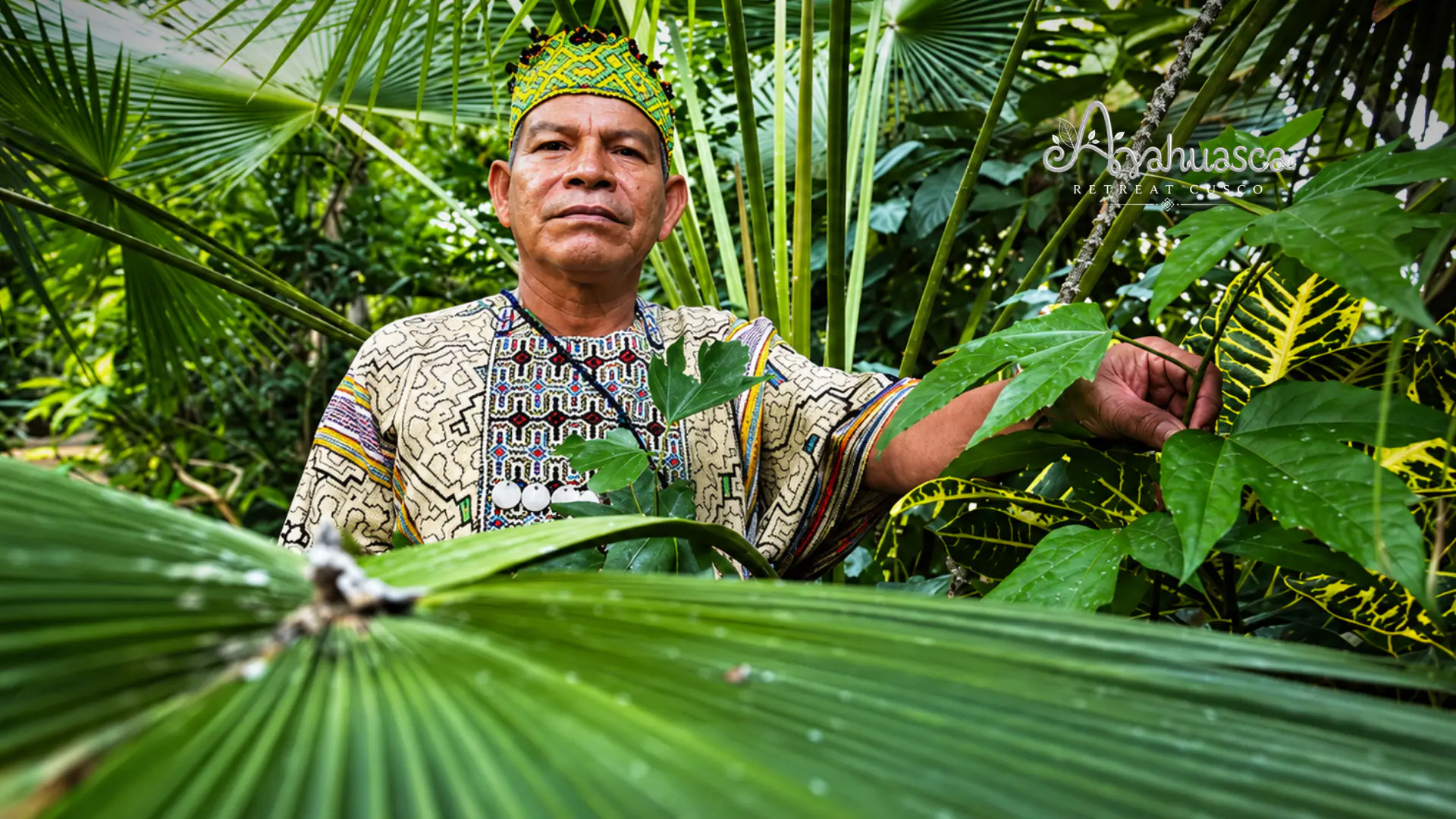
Indigenous Worldviews and Ceremonial Practices
Indigenous worldviews influence how communities understand nature, social relationships, spirituality, and their place within the wider world. In certain Amazonian traditions, ayahuasca is incorporated into ceremonies whose meaning depends on the community's own beliefs, knowledge, and cultural history.
Indigenous ceremonial practices may include traditional songs, guidance from experienced practitioners, and specific protocols governing the ceremony. These elements can serve different purposes depending on the tradition in which they occur.
The Cultural Significance of Traditional Songs
In some Amazonian ceremonial contexts, traditional songs known as ícaros play an important role. Their use and significance vary according to the practitioner, tradition, and ceremonial setting.
These songs should not be treated as interchangeable elements of a single Amazonian tradition. Their meanings are rooted in particular cultural contexts, and the knowledge associated with them may be transmitted through specific forms of teaching and practice.
For this reason, understanding ceremonial songs requires recognizing the diversity of Indigenous traditions rather than assuming that every community follows the same practices.
Intergenerational Knowledge Transmission and Cultural Identity
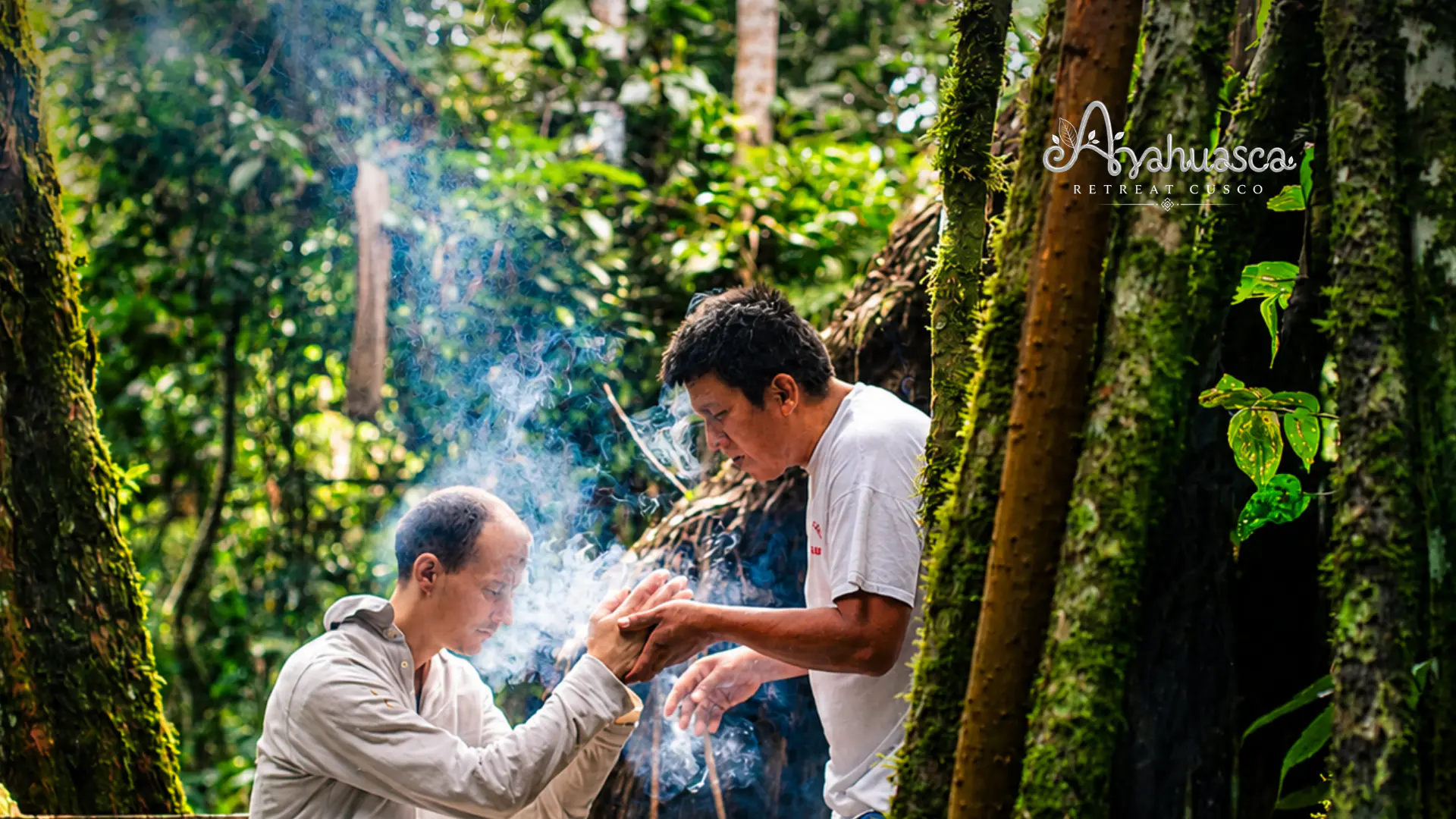
Intergenerational knowledge transmission helps Indigenous communities maintain their languages, histories, cultural practices, and traditional knowledge. Oral traditions, observation, community participation, and learning from experienced knowledge holders can all contribute to this process.
Knowledge related to traditional plants may form part of a broader body of cultural learning that includes local histories, relationships with the land, and community responsibilities. The ways this knowledge is shared vary between peoples and may depend on the nature of the knowledge itself.
Indigenous Worldviews and Ceremonial Practices
In certain Amazonian traditions, ayahuasca is associated with Indigenous worldviews, spirituality, and traditional knowledge. Ceremonies may include traditional songs known as ícaros, whose meanings and uses vary between communities.
The Diversity of Indigenous Peoples in the Peruvian Amazon
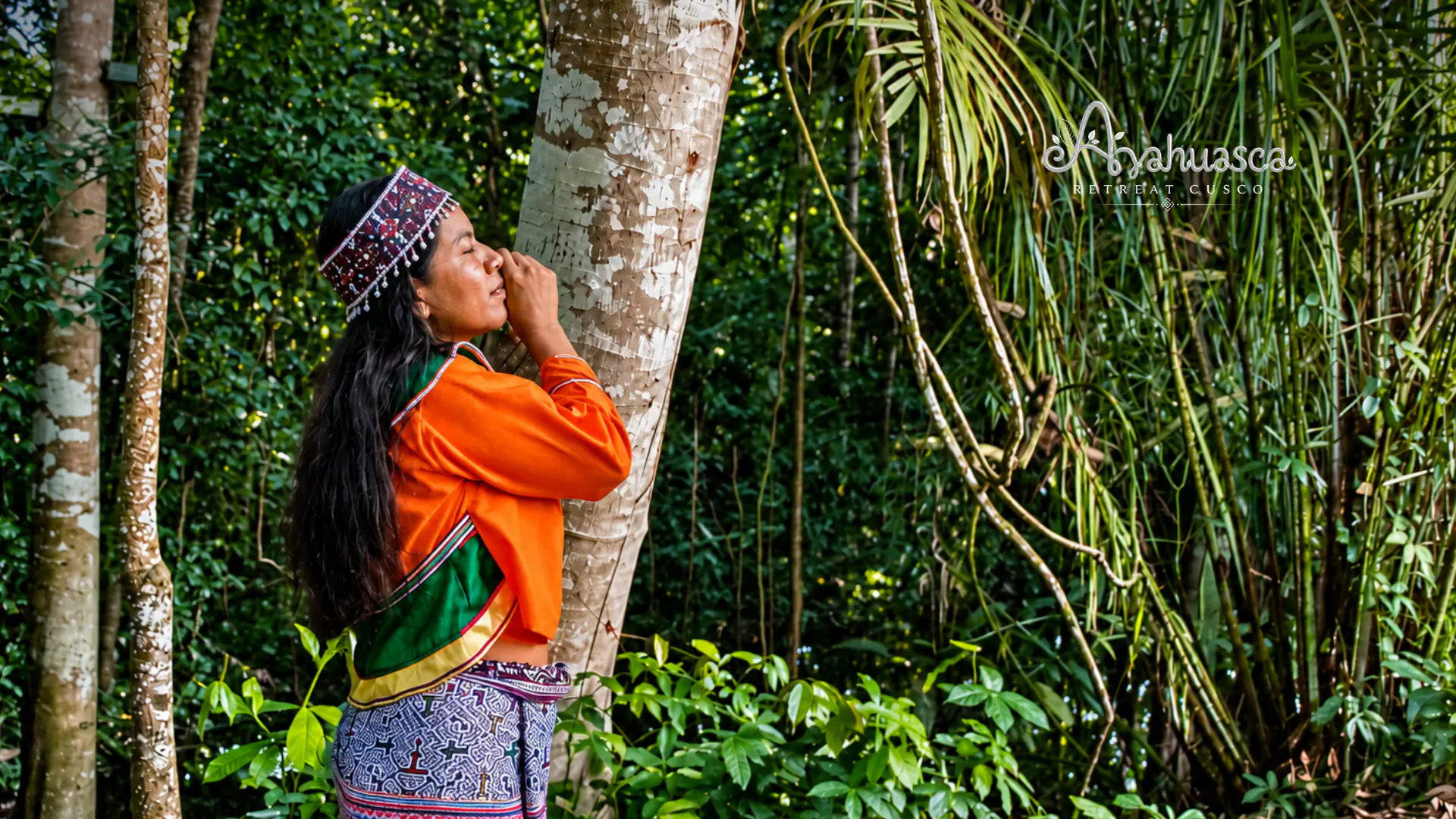
Peru recognizes 55 Indigenous or original peoples, including 51 Amazonian and four Andean peoples, according to the Ministry of Culture. Each has its own language, history, and cultural identity. Not all Indigenous peoples use ayahuasca or share the same ceremonial practices, making cultural diversity and respect for traditional knowledge essential.
Frequently Asked Questions About Ayahuasca and Indigenous Peoples
1. What is ayahuasca in Indigenous Amazonian traditions?
Ayahuasca is a traditional preparation that forms part of certain Indigenous Amazonian ceremonial and knowledge systems. Its meaning and use vary between communities.
2. Which Indigenous peoples in Peru have ayahuasca traditions?
Ayahuasca-related traditions are associated with certain Amazonian communities, including some Shipibo-Konibo and Ashaninka communities. Practices vary, and ayahuasca use should not be attributed to every member of these peoples.
3. How is ayahuasca traditionally used in the Amazon?
In certain cultural contexts, ayahuasca is used in ceremonies associated with spirituality, traditional knowledge, and community-specific understandings of health and the world.
4. What is the cultural significance of ayahuasca?
Its significance depends on the tradition. For some communities, ayahuasca is connected to spiritual beliefs, ceremonial practices, and knowledge transmitted between generations.
5. How is traditional ayahuasca knowledge passed down?
Knowledge may be transmitted through oral teaching, observation, mentorship, and participation in culturally significant activities. The methods differ between communities.
6. What are ícaros in ayahuasca ceremonies?
Ícaros are traditional songs used in certain Amazonian ceremonial contexts. Their roles and meanings vary according to the tradition and practitioner.
7. Do all Indigenous peoples of the Amazon use ayahuasca?
No. Indigenous Amazonian peoples have distinct cultural traditions, and ayahuasca is not used by every community.
8. What is the difference between traditional ayahuasca practices and tourist ceremonies?
Traditional practices are rooted in specific cultural and community contexts. Tourist ceremonies may operate outside those contexts and do not necessarily represent the traditions of an Indigenous people.
9. Why is it important to preserve Indigenous ayahuasca traditions?
These traditions form part of the cultural heritage and collective knowledge of certain Amazonian communities. Their preservation involves respecting Indigenous rights, cultural identity, and the decisions of knowledge holders.
Available Tours
 5 days
5-Day Ayahuasca Retreat in Huayopata - Cusco
 4 days
Ayahuasca 4 Days
 1 days
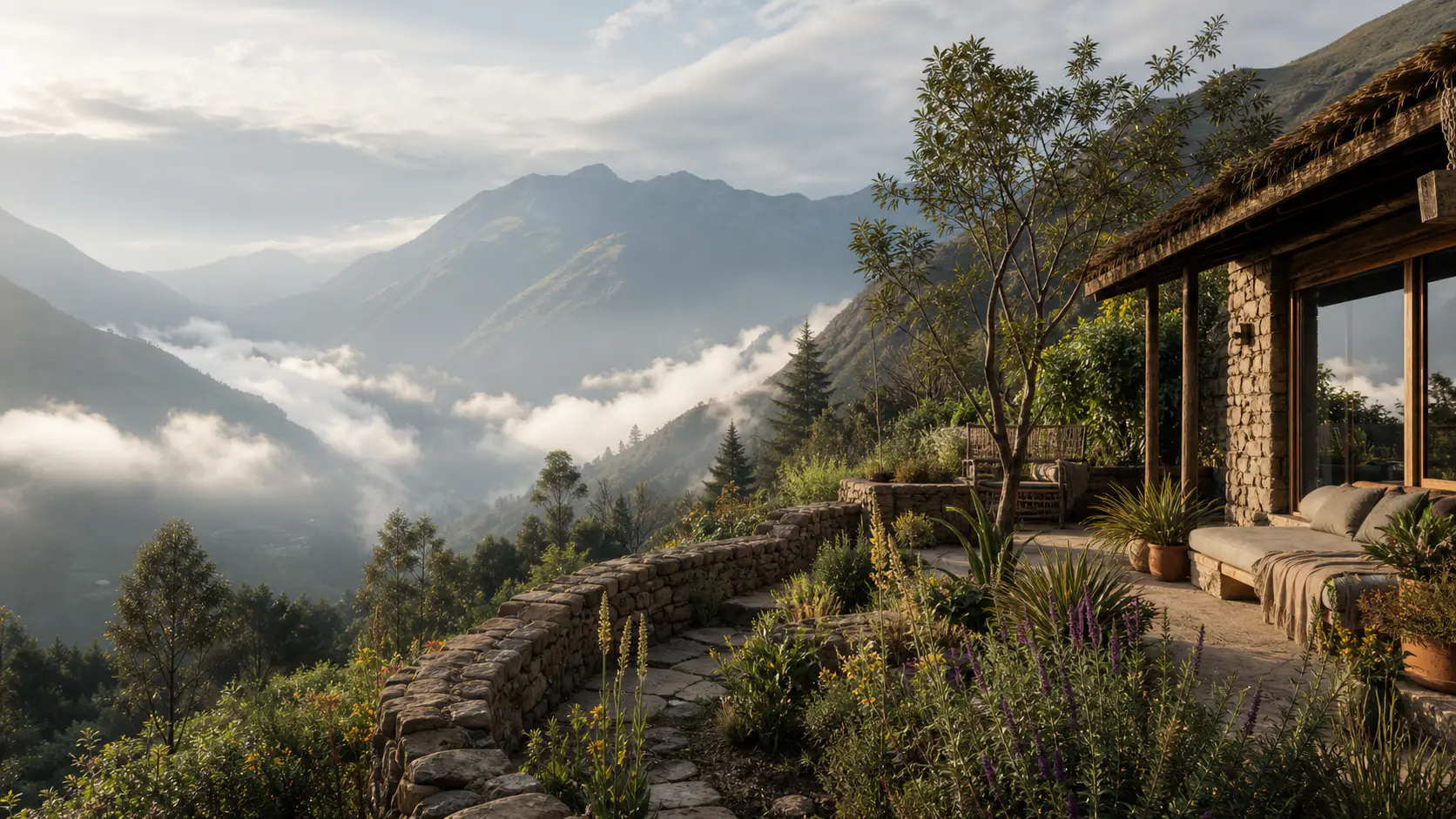
1 Day San Pedro (Wachuma) Experience in Cusco
 7 days
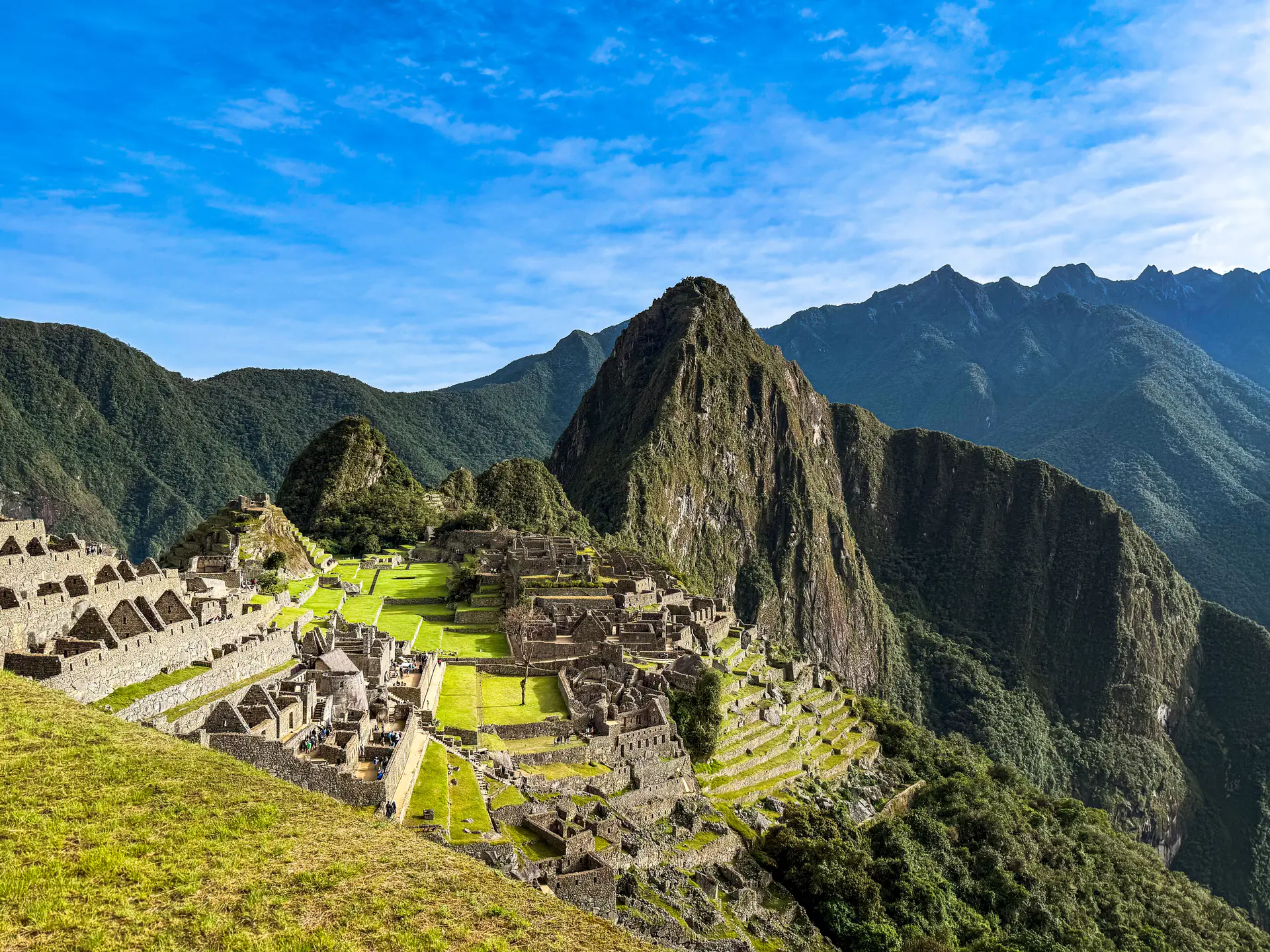
7 Day Journey of Ayahuasca, Andean Culture & Machu Picchu
 3 days
3 Day Ayahuasca Retreat in the Amazon Jungle
 1 days
1 Day Ayahuasca Experience in Cusco
Discussions
No comments yet.
Leave your opinion
Have an account? to comment with your profile