The Cultural Significance of Ayahuasca in the Peruvian Amazon
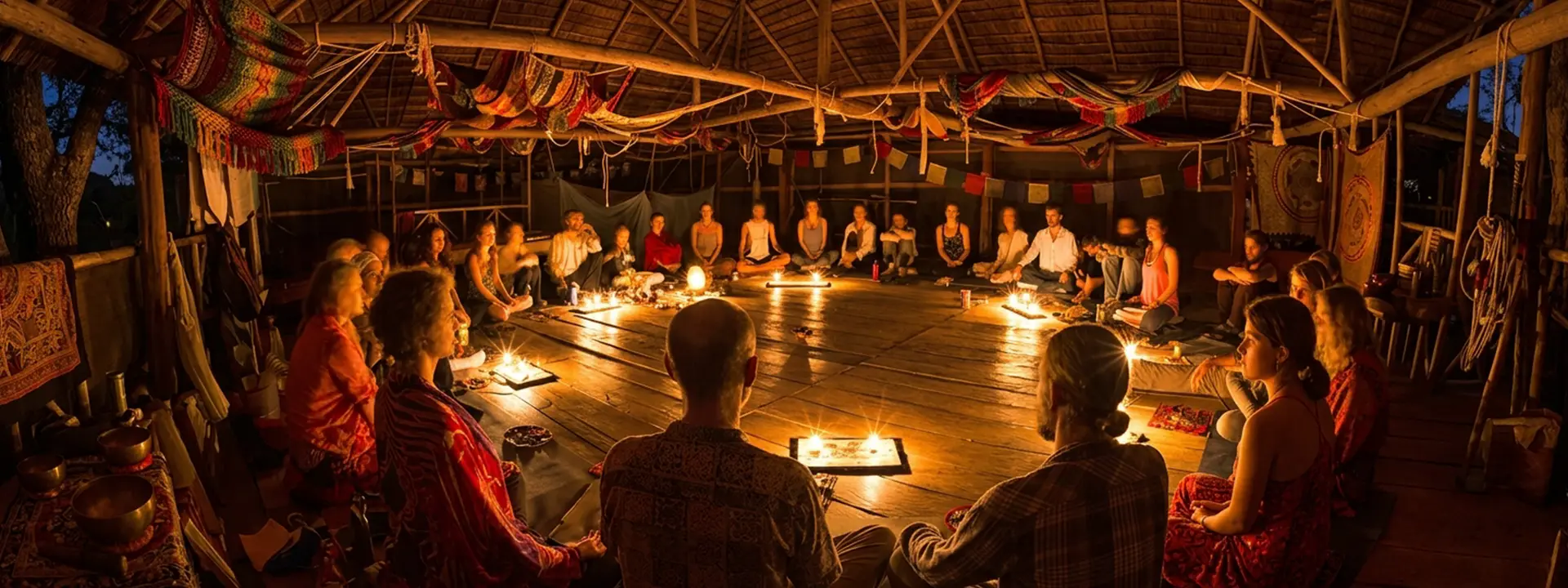
Ayahuasca is part of the cultural traditions of several Indigenous peoples and communities in the Peruvian Amazon. Its use is connected to traditional plant knowledge, ceremonial practices, specialized practitioners, and distinct ways of understanding the relationship between people, nature, and their territory.
Understanding ayahuasca in Peru requires recognizing that there is no single tradition shared by all Amazonian communities. Its meaning and use vary according to each people's history, cultural context, and knowledge systems. These practices have been passed down through generations and are part of a cultural heritage officially recognized by the Peruvian government.
The History of Ayahuasca in Peru
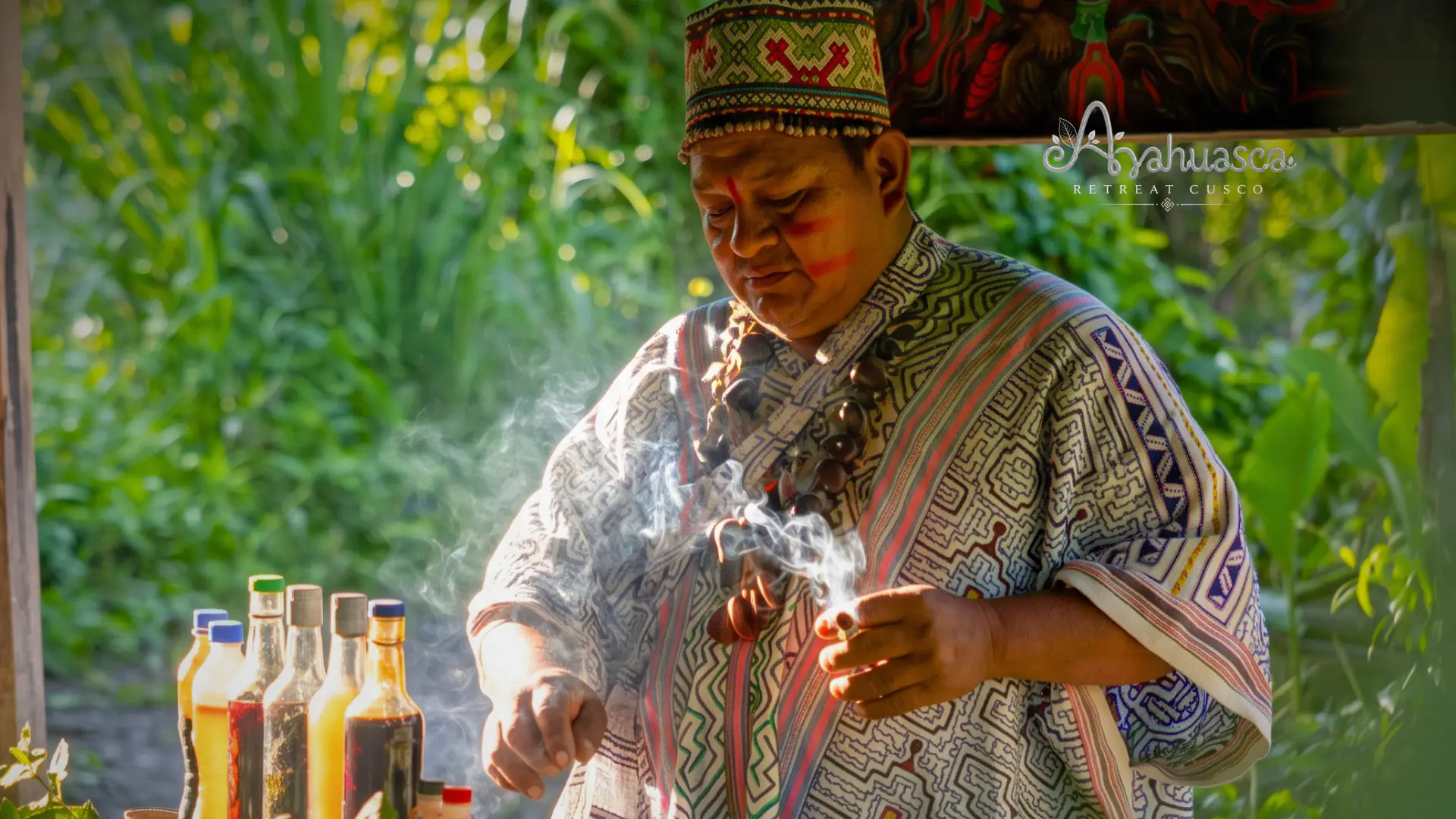
The history of ayahuasca in Peru is connected to the Indigenous peoples of the Amazon and the traditional knowledge systems they have developed over generations.
In these communities, knowledge of plants extends beyond identifying and preparing particular species. It can also include ceremonial practices, cultural protocols, learning processes, and teachings shared by experienced traditional practitioners.
Anthropological and ethnobotanical research has documented the ceremonial and traditional uses of plants, including ayahuasca, among different Amazonian peoples. Research on the Ese'eja people of Madre de Dios, for example, describes traditional plant knowledge and practices within specific cultural contexts.
Over time, interest in ayahuasca expanded beyond the Amazon. During recent decades, international researchers, travelers, and retreat organizers have contributed to its global visibility. This has created new settings for its use that do not necessarily reflect the original traditions of Indigenous communities.
Understanding its history therefore requires distinguishing traditional community practices from contemporary adaptations that have emerged through international interest and tourism.
Ayahuasca in the Peruvian Amazon
Ayahuasca in the Peruvian Amazon is associated with different Indigenous peoples, territories, and systems of traditional knowledge. These communities have distinct languages, histories, and cultural practices.
According to Peru's Ministry of Culture, the country recognizes 55 Indigenous or native peoples, 51 of which belong to the Amazonian region. This cultural diversity helps explain why traditional plant knowledge and ceremonial practices differ across communities.
For some peoples, knowledge related to ayahuasca forms part of broader cultural systems. It may be connected to spiritual traditions, knowledge of medicinal plants, ceremonies, and learning processes guided by recognized members of the community.
For this reason, referring to a single “ayahuasca tradition” can oversimplify a much more diverse cultural reality.
Ayahuasca and Peruvian Culture
The relationship between ayahuasca and Peruvian culture is particularly connected to the Amazon and the traditional knowledge preserved by different Indigenous peoples.
Within these cultural contexts, traditional plants are understood in relation to the wider Amazonian environment. Knowledge may include plant identification, preparation, ceremonial use, and the meanings associated with particular practices within a community.
These traditions also reflect ways of transmitting cultural knowledge between generations. Learning may take place through observation, participation, oral traditions, and guidance from experienced practitioners.
Recognizing this cultural context helps visitors understand that ayahuasca is not simply a plant-based experience. In certain Amazonian traditions, it forms part of a broader system of cultural relationships, knowledge, and community practices.
Traditional Ayahuasca Use and Ceremonial Practices
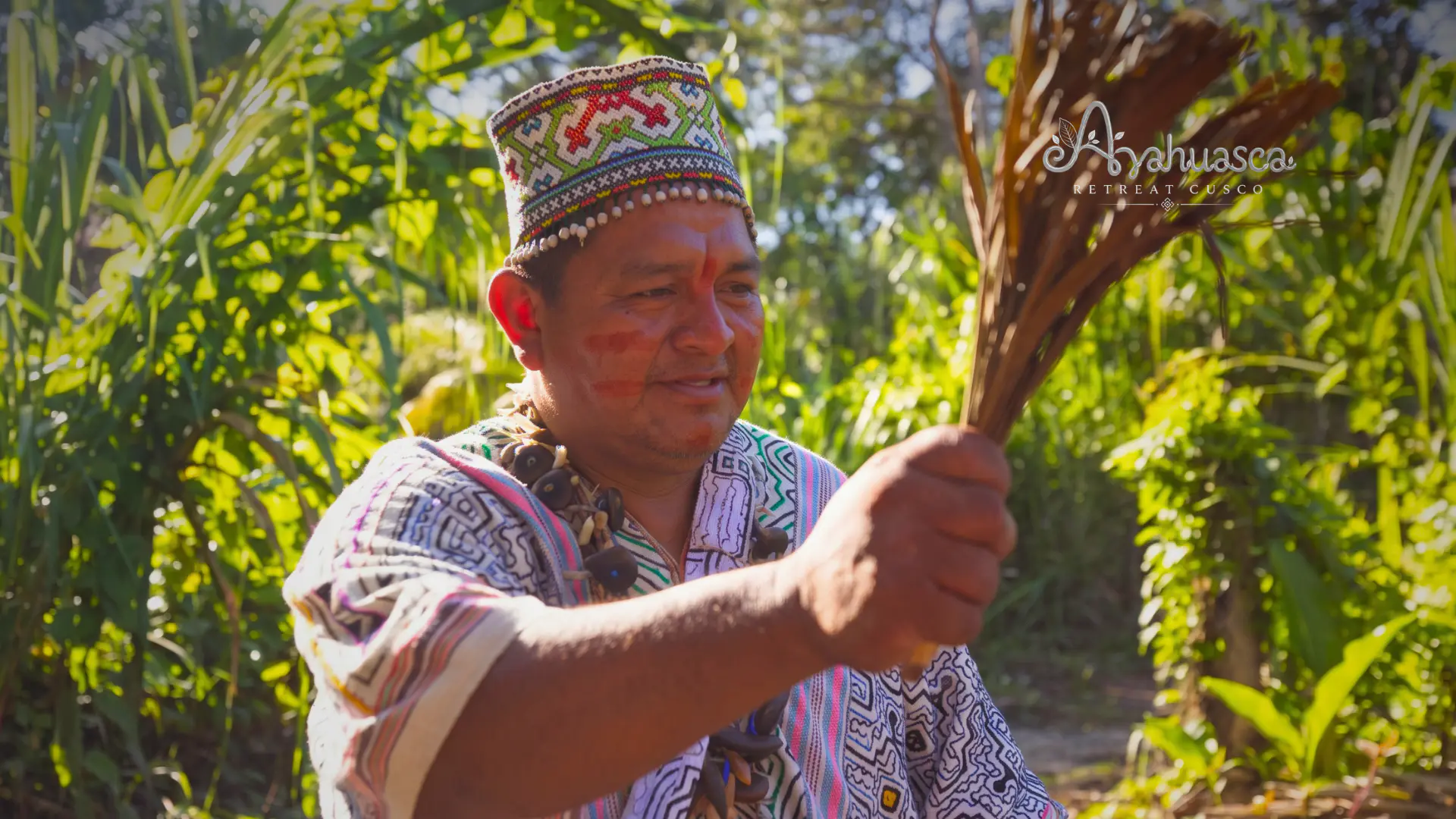
The traditional use of ayahuasca takes place within specific cultural contexts and may be associated with ceremonies, spiritual practices, and traditional plant knowledge.
Its use is not the same among all Indigenous peoples. Research has documented different relationships between ayahuasca, ceremonial practices, and traditional knowledge systems across Amazonian communities.
It is also important to distinguish these traditions from contemporary experiences organized for international visitors. The global spread of ayahuasca has led to new settings and hybrid practices that may combine Indigenous, mestizo, and Western influences.
Consequently, participating in a modern ayahuasca retreat does not necessarily mean experiencing the traditional practices of a specific Indigenous community.
Ancestral Knowledge and the Transmission of Traditional Practices
Ancestral knowledge related to ayahuasca forms part of cultural systems developed and maintained over generations.
Traditional knowledge can be transmitted through observation, direct teaching, participation, and oral traditions. In some communities, particular practices are learned through specific processes of training and guidance from experienced practitioners.
Knowledge preserved by Amazonian peoples may also encompass plants, ceremonial practices, food, territory, and distinct ways of understanding the world.
Cultural preservation therefore involves more than maintaining knowledge of a plant preparation. It also means recognizing the cultural practices, community relationships, and systems of knowledge that give these traditions their meaning.
What Does Ayahuasca Mean to Amazonian Communities?
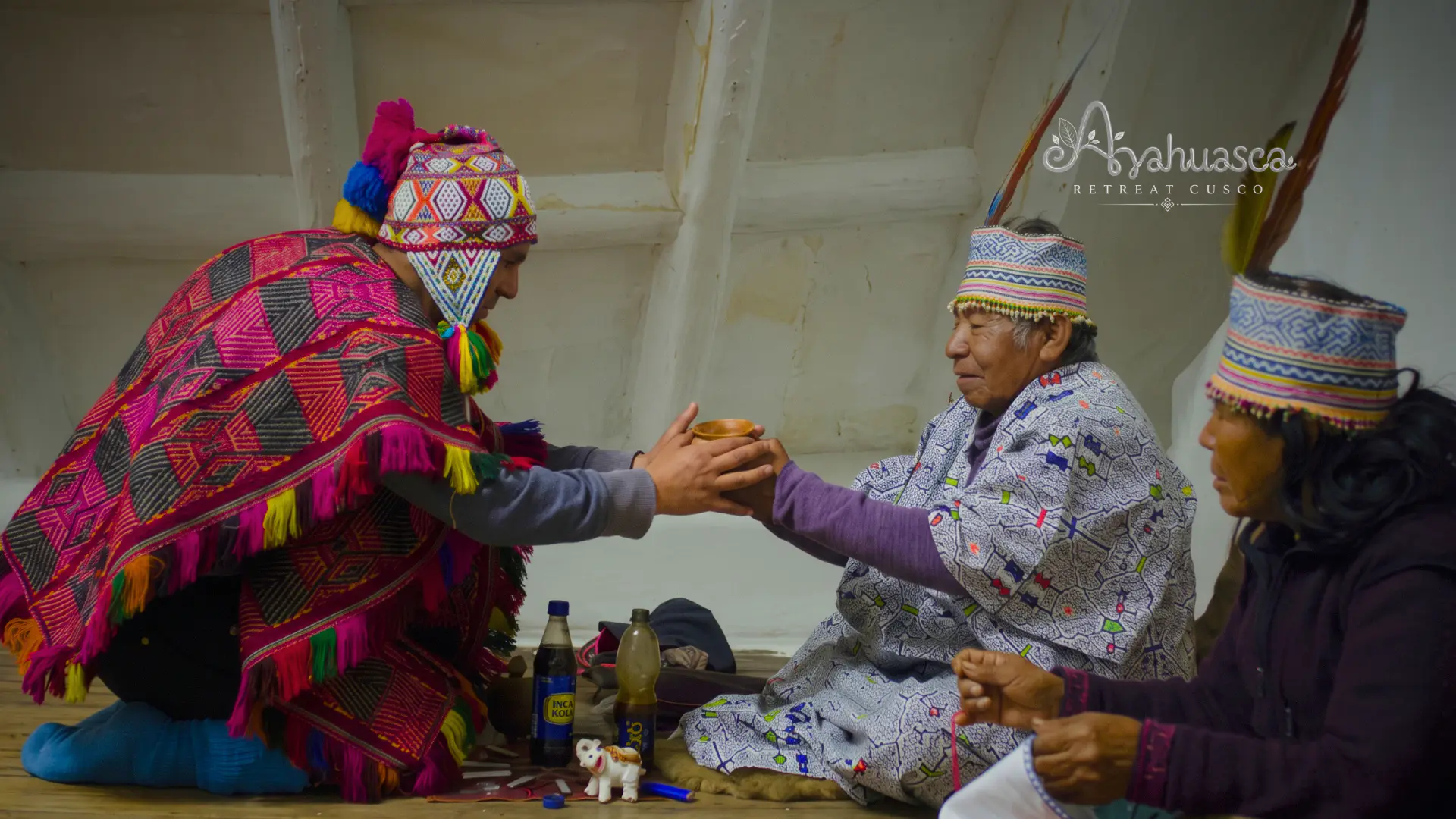
The meaning of ayahuasca varies among communities. For some Indigenous peoples, it may form part of spiritual traditions, ceremonial practices, and systems of knowledge connected to nature and the surrounding territory.
It would be inaccurate to assign one universal cultural meaning to ayahuasca. Its significance depends on the community, its history, its traditional knowledge, and the context in which the practice takes place.
Rather than viewing it only as a beverage, it is important to understand that, within certain Amazonian traditions, ayahuasca is integrated into wider cultural, spiritual, and community relationships.
Ayahuasca in Peru Today: Tourism and Cultural Preservation
Today, ayahuasca is known far beyond the Peruvian Amazon. Growing international interest has attracted travelers, researchers, and people seeking to learn about its cultural and ceremonial contexts.
Research into ayahuasca tourism in the Peruvian Amazon has documented how this interest has created new spaces for cultural exchange, while also raising questions about authenticity, cultural representation, and the preservation of Indigenous knowledge.
For travelers, responsible engagement begins with recognizing that not every retreat represents the traditions of a particular Indigenous people. Learning about the cultural background of an experience, respecting community protocols, and avoiding generalized claims about Indigenous practices can help encourage more respectful cultural exchange.
Understanding the history of ayahuasca in Peru means recognizing the communities and generations that have preserved traditional plant knowledge, ceremonial practices, and cultural heritage. These traditions deserve to be understood within their own historical and cultural contexts, rather than solely through the lens of modern tourism.
Frequently Asked Questions About Ayahuasca in Peru
Is ayahuasca part of Peruvian culture?
Yes. Ayahuasca is part of certain cultural traditions among Indigenous peoples and communities in the Peruvian Amazon. Its meaning and use vary according to each community and its cultural context.
Is ayahuasca recognized as Cultural Heritage in Peru?
Yes. In 2008, Peru's Ministry of Culture recognized the traditional knowledge and uses of ayahuasca practiced by native Amazonian communities as National Cultural Heritage. This recognition concerns traditional knowledge and practices, not every contemporary use of ayahuasca.
Do all Indigenous Amazonian peoples use ayahuasca?
No. The Peruvian Amazon is home to numerous Indigenous peoples with different languages, histories, and cultural traditions. It should not be assumed that all communities use ayahuasca or understand it in the same way.
Is there only one ayahuasca tradition?
No. Different communities have distinct traditions and ways of understanding ayahuasca, shaped by their histories, territories, and cultural knowledge.
Who are traditional ayahuasca practitioners?
Traditional practitioners are people who hold specialized knowledge within particular cultural contexts. Depending on the community, they may be involved in plant knowledge, ceremonial practices, and the transmission of traditional teachings.
Is traditional ayahuasca use the same as a modern retreat?
Not necessarily. Some contemporary retreats incorporate elements of Amazonian traditions, but they do not all represent the practices of a specific Indigenous community. The context, cultural background, and role of local practitioners can differ considerably.
Why is it important to understand the cultural origins of ayahuasca?
Understanding its cultural origins helps visitors recognize that traditional ayahuasca practices are part of wider systems of knowledge, community relationships, and cultural heritage passed down through generations. This perspective encourages more respectful and informed cultural exchange.
Available Tours
 1 days
1 Day San Pedro (Wachuma) Experience in Cusco
 3 days
3 Day Ayahuasca Retreat in the Amazon Jungle
 4 days
Ayahuasca 4 Days
 7 days
7 Day Journey of Ayahuasca, Andean Culture & Machu Picchu
 5 days
5-Day Ayahuasca Retreat in Huayopata - Cusco
 1 days
1 Day Ayahuasca Experience in Cusco
Discussions
No comments yet.
Leave your opinion
Have an account? to comment with your profile