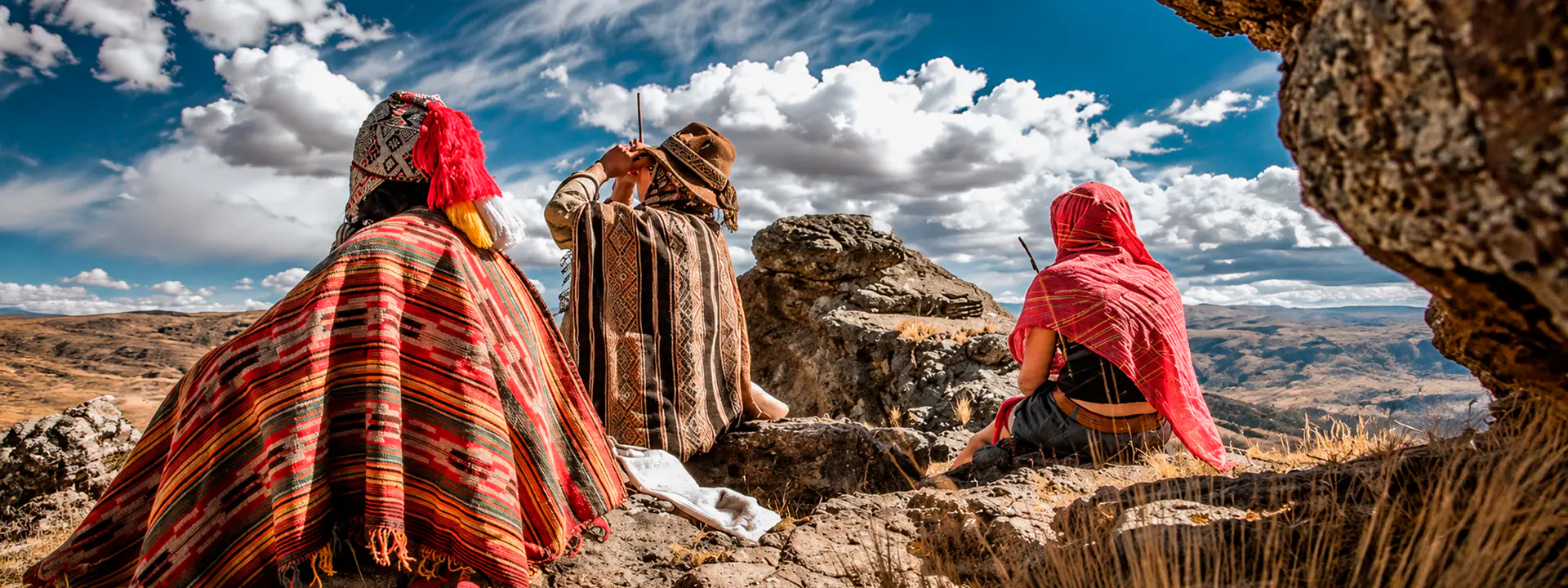
What Are Icaros in Ayahuasca Ceremonies?
Icaros are traditional chants associated with certain medicinal and ceremonial practices in the Amazon. In these traditions, singing is understood as more than a musical expression; it is a way of transmitting knowledge and expressing relationships with nature and the spiritual world.
One of the best-documented examples is the tradition of the Shipibo-Konibo-Xetebo people of the Peruvian Amazon. In this cultural context, Shipibo-Konibo healing songs are part of a knowledge system that brings together language, vocal expression, and the practices of traditional practitioners. Their meaning cannot be fully understood outside the cultural context in which they are performed.
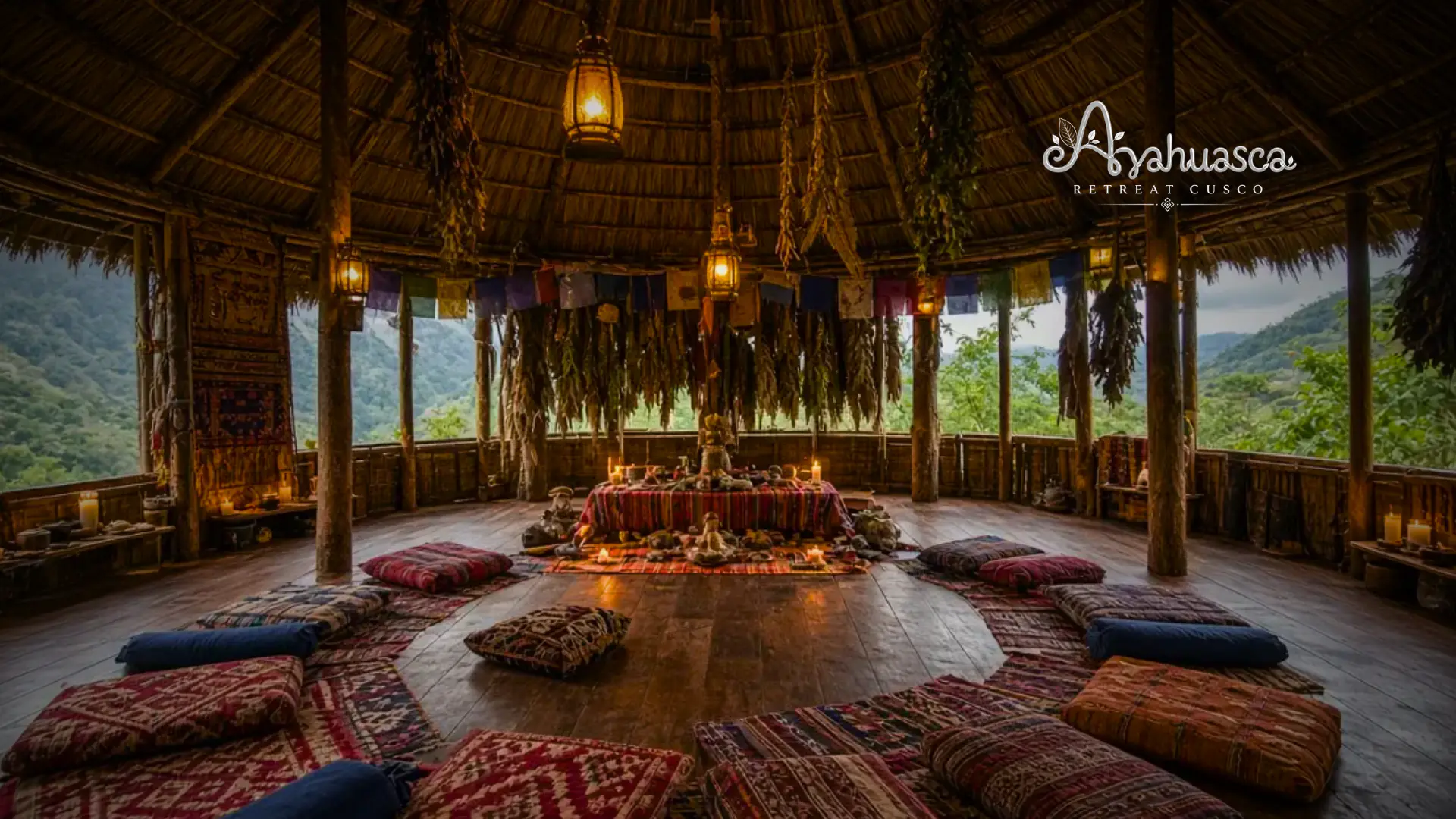
What Is the Meaning of Icaros?
The meaning of icaros depends on the tradition they belong to, the person performing them, and the circumstances in which they are sung. In Shipibo-Konibo traditions, research describes medicinal songs as expressions that connect language, traditional knowledge, and Indigenous understandings of healing.
There is no single interpretation that applies to every icaro. Some chants contain words that speakers of a particular language can understand, while others require specific cultural knowledge to interpret their meaning within the tradition.
The Meaning of Words, Sounds, and Melodies
Understanding an icaro involves considering both its words and its sound. Melody, rhythm, voice, and the way a chant is performed contribute to an expression whose meaning develops within its cultural setting.
Studies of Shipibo-Konibo medicinal songs highlight the relationship between language and ritual experience. Analyzing an icaro solely as a song may therefore overlook important aspects of its meaning and cultural significance.

How Traditional Practitioners Interpret Icaros
Traditional practitioners hold knowledge that shapes how they interpret chants and understand their role. This knowledge develops through learning, experience, and the cultural understandings associated with each tradition.
For this reason, it is not appropriate to assign the same meaning to every icaro or assume that its interpretation can be understood correctly without knowledge of its cultural context.
What Is the Role of Icaros in Ayahuasca Ceremonies?
In certain ayahuasca ceremonies, icaros are part of the ritual practice and are performed by traditional practitioners. Within Shipibo-Konibo traditions, academic research documents their connection to medicinal practices and to an understanding of singing in which words play an active role.
From within this cultural framework, an icaro can be understood as part of the practitioner's work during a ritual. It is not simply musical accompaniment but a form of expression associated with specific knowledge and traditional practices.
It is important to distinguish these cultural interpretations from scientifically established medical claims. Recognizing the significance of icaros within a tradition does not mean that all healing effects attributed to them have been scientifically demonstrated.
The functions of traditional ayahuasca songs also vary across communities and practices. Information documented about the Shipibo-Konibo people should not automatically be applied to all Amazonian Indigenous peoples.
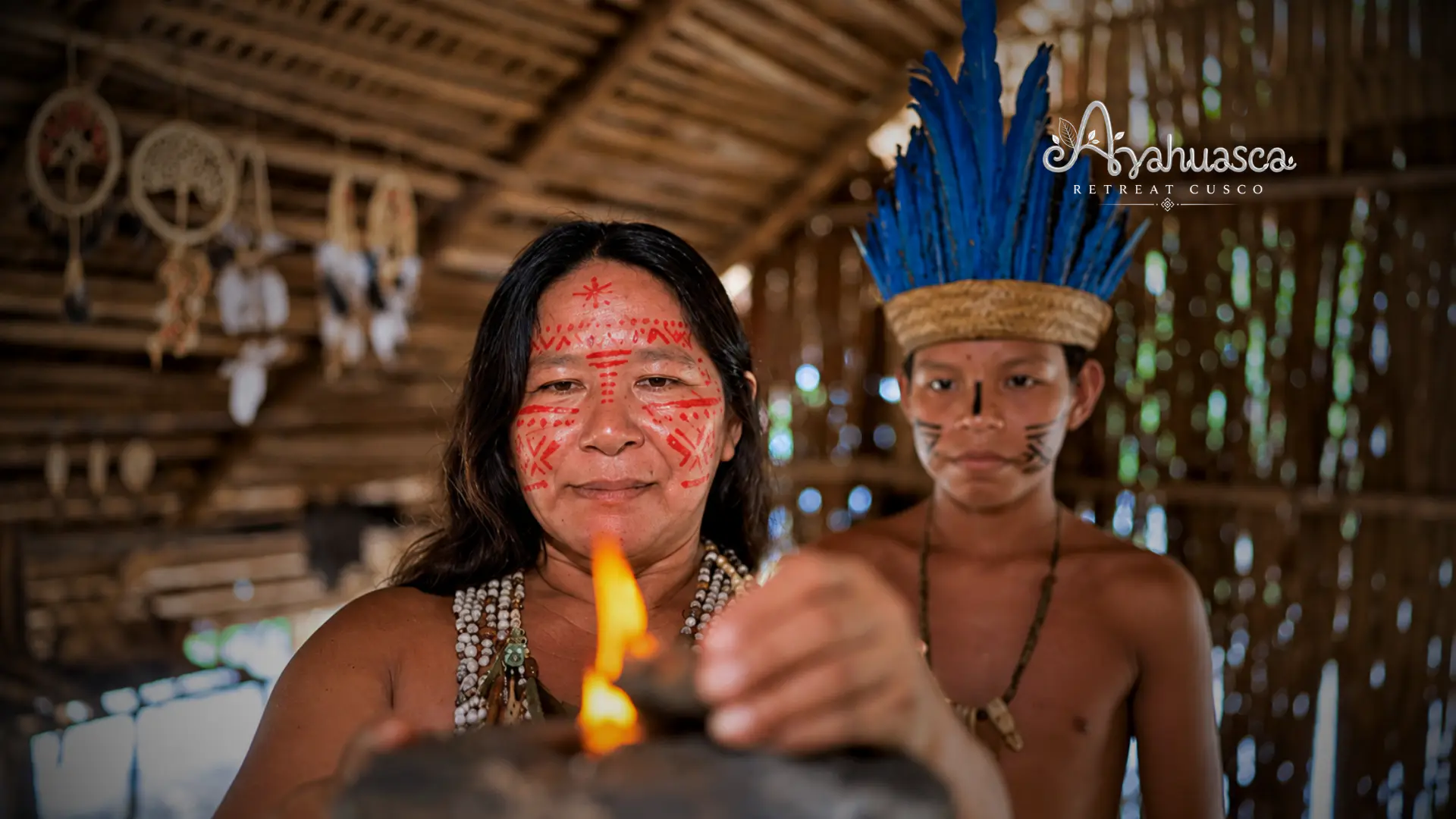
Icaros in Shipibo-Konibo Traditions and Their Cultural Significance
In June 2016, the Peruvian Ministry of Culture declared the ícaros of the Shipibo-Konibo-Xetebo people to be part of the nation’s cultural heritage.
This recognition highlights their significance as an expression of Amazonian Indigenous culture and of the community’s relationship with nature a relationship rooted in learning from, caring for, listening to, and respecting the natural world.
Ícaros also illustrate that intangible cultural heritage encompasses far more than physical objects, dances, or public celebrations. It includes oral expressions, traditional knowledge, and practices that communities preserve and pass down from generation to generation.
This recognition specifically concerns the ícaros of the Shipibo-Konibo-Xetebo people. It does not imply that all songs used in ayahuasca ceremonies belong to the same tradition, nor that they share identical meanings.
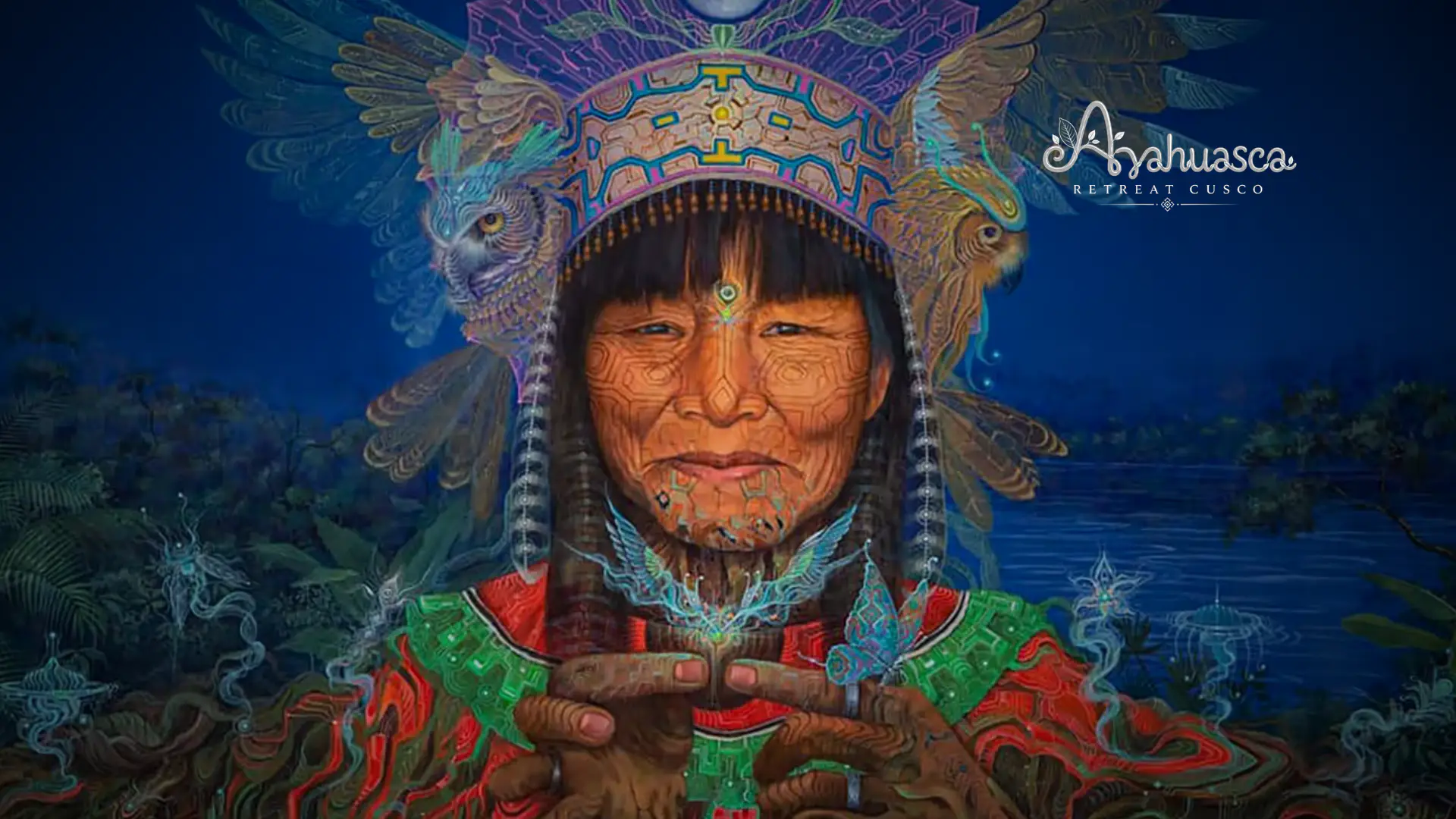
How Are Icaros Learned and Transmitted?
The transmission of icaros is connected to the learning of traditional knowledge and the experience of those who practice them. Among the Shipibo-Konibo people, traditional practitioners play an important role in preserving and transmitting this knowledge.
Learning an icaro involves more than memorizing a melody. Understanding a chant within its tradition also requires knowledge of its context, meaning, and cultural uses.
Research on Shipibo-Konibo medicinal songs also highlights the importance of working with people who hold this knowledge to interpret their linguistic expressions. Collaboration with speakers and traditional practitioners can help prevent translations that overlook cultural nuances or assign meanings that do not reflect the community's understanding.
The preservation of these traditions depends on their continued practice within communities and respect for the people who keep this knowledge alive.

Frequently Asked Questions About Icaros
Why Are Icaros Sung During Ayahuasca Ceremonies?
In certain Amazonian traditions, icaros are part of ritual practices and are connected to the knowledge of the practitioners who perform them. Their role depends on the specific tradition.
Are Icaros Sung in Spanish or Indigenous Languages?
It depends on the tradition and the chant. In Shipibo-Konibo contexts, some medicinal songs are connected to the community's language and traditional knowledge.
Can Icaros Be Translated Literally?
Not always. Although some words can be translated, their cultural meaning may include nuances that cannot be fully understood through a word-for-word translation.
Are Icaros Exclusive to the Shipibo-Konibo People?
No. Different Amazonian traditions have their own ceremonial songs. However, Shipibo-Konibo icaros have distinct cultural characteristics that should be understood within their specific context.
What Is the Difference Between an Icaro and an Ordinary Song?
Within the traditions that practice them, icaros are associated with specific knowledge and ritual contexts. Ordinary songs may serve different artistic, recreational, or expressive purposes.
Do Icaros Have the Same Meaning for Everyone?
Not necessarily. Their interpretation depends on the cultural tradition, the knowledge of the person singing, and the context in which they are performed. There is no universal meaning that applies to every icaro.
Available Tours
 3 days
3 Day Ayahuasca Retreat in the Amazon Jungle
 1 days
1 Day Ayahuasca Experience in Cusco
 5 days
5-Day Ayahuasca Retreat in Huayopata - Cusco
 7 days
7 Day Journey of Ayahuasca, Andean Culture & Machu Picchu
 1 days
1 Day San Pedro (Wachuma) Experience in Cusco
 4 days
Ayahuasca 4 Days
Discussions
No comments yet.
Leave your opinion
Have an account? to comment with your profile