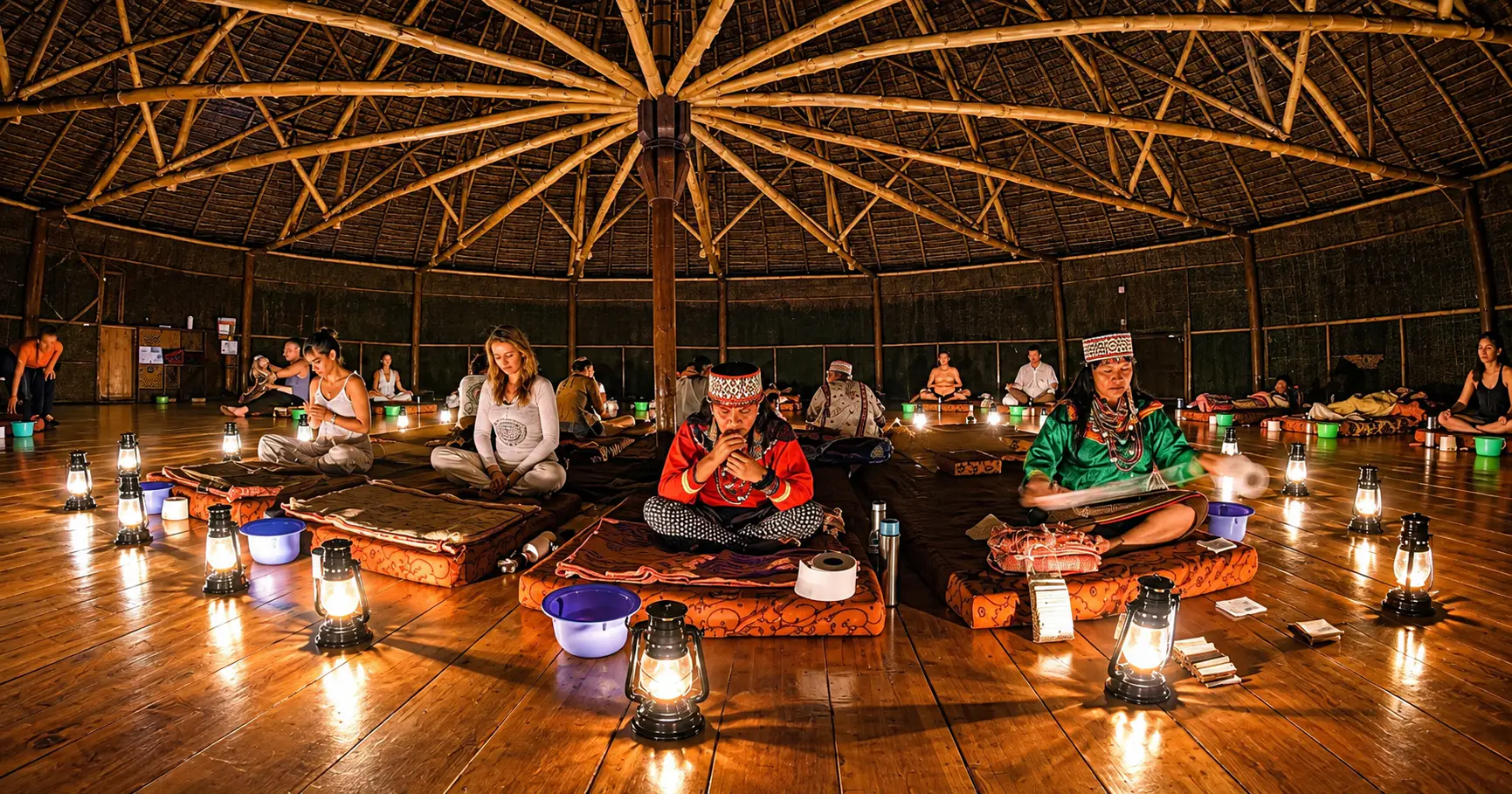
Ayahuasca Ceremony Preparation: A Complete Guide for Beginners
Preparing for an ayahuasca ceremony involves more than deciding what to eat the day before. If you are traveling to Peru or another country to participate in a ceremony, you may have questions about food, fasting, drinks, medications, supplements, rest, and what to expect.
The term ayahuasca diet is widely used online, but it does not describe one universal set of rules. In Peruvian Amazonian traditions, dieta can have a much broader cultural and spiritual meaning than simply following food restrictions. Research on Amazonian medicine describes plant diets as complex practices that may involve particular plants, food restrictions, behavioral guidelines, social isolation, and teachings associated with a traditional practitioner.
Contemporary ayahuasca retreats may use the word dieta differently. Some provide practical dietary recommendations before a ceremony, while others follow a specific traditional protocol.
For that reason, preparation should be based on the specific ceremony, tradition, and retreat you have chosen, rather than on a generic food list found online.
This guide explains what to consider before an ayahuasca ceremony, including what to eat, what to avoid, fasting, hydration, medications, supplements, rest, and how to evaluate the safety practices of a retreat.
Important: This article is for educational purposes and does not replace medical advice. Ayahuasca contains psychoactive compounds and can have physiological effects and potential interactions with medications or other substances. If you take prescription or over-the-counter medication, use supplements, have a medical condition, are pregnant or breastfeeding, or have concerns about your health, consult a qualified healthcare professional before participating. Never stop or change prescribed medication on your own.
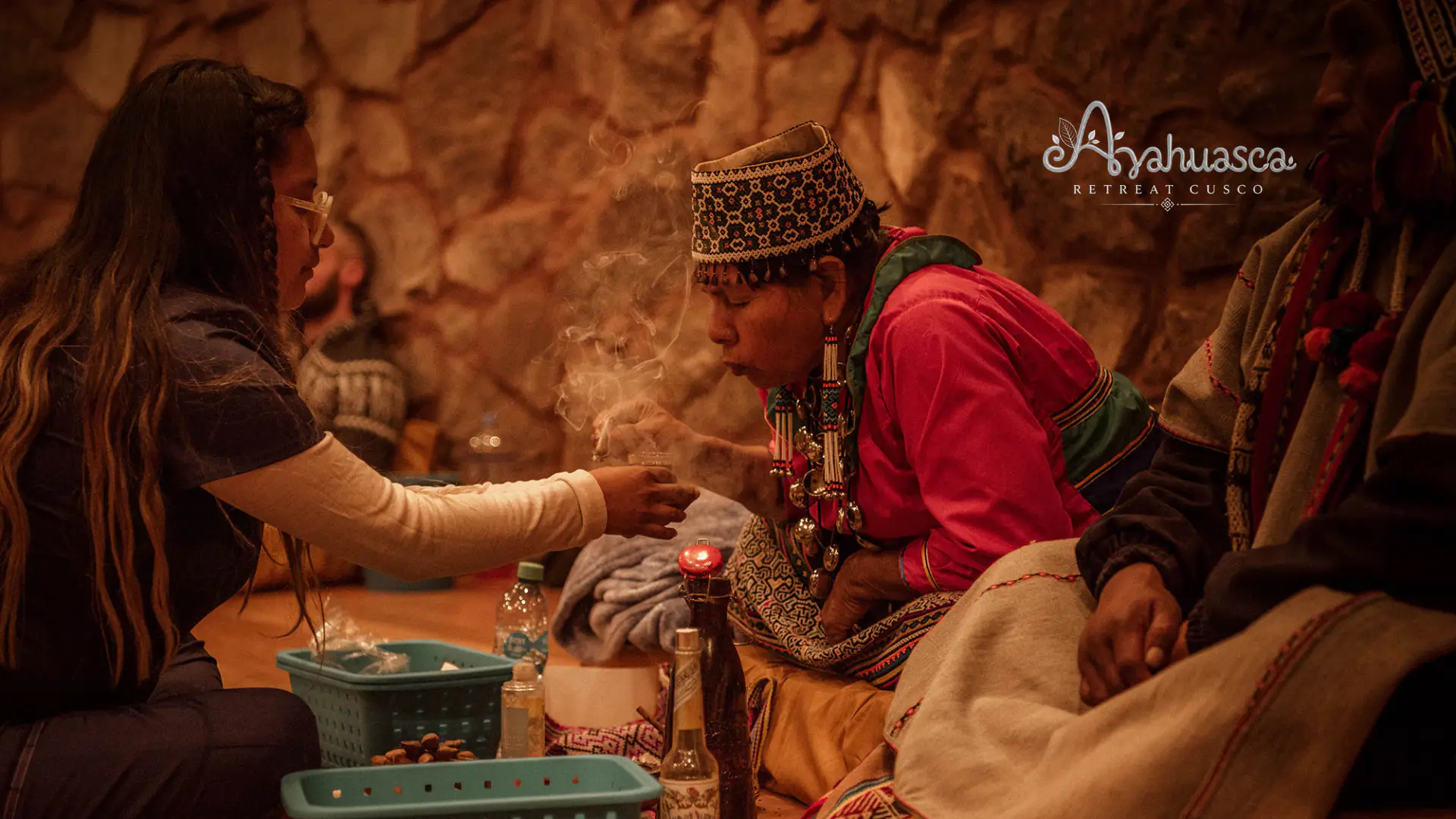
What Is Ayahuasca Ceremony Preparation?
Ayahuasca ceremony preparation refers to the physical, practical, dietary, and personal steps taken before participating in a ceremony.
There is no single preparation protocol followed by every ayahuasca retreat. Instructions can vary according to the facilitator, cultural tradition, location, ceremony format, and whether the experience is part of a traditional Amazonian practice or a contemporary retreat.
In some Peruvian Amazonian traditions, dieta is a longstanding practice associated with learning, healing, and working with particular plants. It may include dietary restrictions, plant use, behavioral guidelines, periods of isolation, and other practices. It should therefore not be reduced to a simple list of foods to avoid.
For travelers, however, preparation may be much more practical. A retreat might ask participants to eat lightly before the ceremony, avoid alcohol, arrive rested, disclose medications, or follow specific instructions regarding food and drinks.
Why Does Preparation Matter?
Preparation gives you an opportunity to understand what the ceremony involves and to identify potential safety concerns before participating.
Depending on the retreat, preparation may include:
asking about the specific dietary protocol;
understanding when and what to eat before the ceremony;
asking when your last meal should be;
following instructions about alcohol and other substances;
maintaining normal hydration unless a healthcare professional has advised otherwise;
getting adequate rest;
disclosing prescription medications, supplements, and other substances;
understanding how long the ceremony may last;
asking what support is available if a participant becomes unwell.
The objective is not to follow the most restrictive preparation routine possible. It is to understand the protocol of the ceremony and make informed decisions about your participation.
How Long Should You Prepare for an Ayahuasca Ceremony?
There is no universally established number of days for ayahuasca preparation.Some retreats recommend dietary changes for a few days before a ceremony, while others may provide different instructions. Traditional Amazonian dieta practices can last considerably longer and may involve much more than food.
This means that different retreats may provide different preparation guidelines without necessarily following the same cultural or practical approach.
Before traveling, ask the retreat:
When should I begin preparing?
Which foods should I avoid?
What should I eat on the day of the ceremony?
When should I have my last meal?
Can I drink coffee or tea?
Can I take my usual supplements?
What should I do if I take prescription medication?
Are there specific instructions for the days following the ceremony?
If you are traveling internationally, clarify these questions before arrival rather than waiting until the day of the ceremony.
What to Eat Before an Ayahuasca Ceremony
One of the most common questions for first-time participants is what to eat before ayahuasca.There is no scientifically established universal menu that every participant must follow. If your retreat has provided specific instructions, those should be discussed with the retreat beforehand.
If no specific dietary protocol has been provided, choosing simple, familiar foods that you normally tolerate well may be a practical approach.
Depending on your normal diet, examples may include:
rice;
vegetables;
fruit;
potatoes or other familiar tubers;
grains;
soup;
lightly prepared meals;
moderate portions of familiar foods.
The important point is to avoid experimenting with unfamiliar foods immediately before the ceremony. If a particular food normally causes you digestive discomfort, it may be better to avoid it before an experience in which nausea or vomiting may occur.
Research on ayahuasca has documented gastrointestinal effects, including nausea and vomiting, although the frequency and severity of adverse effects vary between individuals and contexts.
Should You Eat a Large Meal Before the Ceremony?
A very large or heavy meal immediately before a ceremony may be uncomfortable. Because nausea and vomiting can occur during ayahuasca experiences, some retreats recommend eating a lighter meal beforehand. However, this does not mean that everyone needs to fast for a prolonged period.
The appropriate timing depends on the ceremony's protocol and your individual circumstances.
Ask the retreat:
How many hours before the ceremony should I eat?
Should my last meal be light?
Can I drink water afterward?
Are coffee and tea permitted?
Are there specific foods to avoid on the day of the ceremony?
If you have diabetes, take medication that must be taken with food, or have another medical condition affected by fasting, obtain individualized medical advice before changing your normal eating pattern.
What Should Your Last Meal Be?
There is no universally required “last meal” for ayahuasca. Some retreats may recommend a light meal several hours before the ceremony, while others may have different protocols. The safest approach is to follow the instructions provided by the retreat after clarifying anything you do not understand. Avoid assuming that a longer fast is automatically safer or produces a better experience.
What to Avoid Before an Ayahuasca Ceremony
Searching for what to avoid before ayahuasca can produce long lists of foods and substances. These recommendations need to be interpreted carefully.
Some restrictions belong to specific traditional dieta practices. Others are guidelines created by individual retreat centers. They should not automatically be presented as universal medical rules.
Which Foods May Be Limited Before Ayahuasca?
Depending on the retreat, participants may be asked to limit foods such as:
very heavy meals;
highly processed foods;
very spicy foods;
foods that commonly cause them digestive discomfort;
alcohol;
certain foods included in a particular traditional dieta.
However, the appearance of a food on an online “ayahuasca diet” list does not by itself demonstrate that the food is medically dangerous when combined with ayahuasca.
This distinction is particularly important when discussing foods sometimes associated online with monoamine oxidase inhibitors. Ayahuasca contains β-carboline alkaloids that inhibit MAO-A, but the pharmacology of the preparation is complex, and research does not support treating every internet food-restriction list as a universal medical protocol.
If your retreat has a specific food restriction, ask whether it is based on the tradition being followed, the retreat's practical protocol, or a particular safety consideration.
Should You Stop Eating Meat?
There is no universal medical requirement for every ayahuasca participant to stop eating meat. Some traditional practices and contemporary retreats may recommend avoiding meat as part of their preparation. In that situation, the restriction may have cultural, spiritual, or traditional significance rather than being a universal medical requirement.
If your retreat follows a particular Amazonian tradition, ask about the meaning and purpose of its dieta rather than assuming that the same food rules apply to every ceremony.
Ayahuasca Ceremony Preparation: What Else Should You Do?
Diet is only one part of preparing for an ayahuasca ceremony.
Get Enough Rest
Arrive rested rather than intentionally depriving yourself of sleep.
Ayahuasca ceremonies can last several hours and may involve intense psychological and physical effects. Beginning the experience already exhausted may make it more difficult to manage the experience comfortably.
If you are traveling to a retreat, consider your arrival schedule and avoid combining the ceremony with strenuous activities immediately beforehand.
Avoid Alcohol and Other Recreational Substances
Do not combine ayahuasca with alcohol or other psychoactive substances unless a qualified medical professional has specifically assessed the combination as safe.
This is particularly important because ayahuasca contains β-carbolines with MAO-A inhibitory activity, while other substances and medications can affect monoamine or serotonin pathways. Research has identified potential pharmacological interaction risks, although the available evidence is incomplete.
Tell the retreat honestly about other substances you use rather than assuming that a particular substance will not matter.
Ask About Emergency and Medical Support
Before booking a retreat, ask practical questions about safety.
For example:
Who supervises the ceremony?
How are participants screened before participating?
What happens if someone becomes unwell?
Is first-aid equipment available?
How far is the nearest medical facility?
Is emergency transportation available?
How many participants are present in each ceremony?
Is there a clear procedure for dealing with medical emergencies?
These questions can be more important for responsible preparation than trying to find the perfect food list.
Ayahuasca and Medication: Why It Matters
The relationship between ayahuasca and medication requires particular caution.
Ayahuasca typically contains DMT together with β-carboline alkaloids such as harmine and harmaline. These β-carbolines inhibit monoamine oxidase A (MAO-A), which helps prevent the rapid breakdown of orally ingested DMT and contributes to its psychoactive effects.
Because MAO-A is involved in the metabolism of several biologically active substances, combining ayahuasca with certain medications or psychoactive substances may create interaction concerns.
Scientific reviews emphasize that the pharmacology of ayahuasca is complex and that there is still insufficient evidence to predict every possible interaction with certainty.
How to Choose a Safer Ayahuasca Retreat
For travelers, choosing the retreat is an important part of ayahuasca retreat preparation.
Before booking, look for a provider that:
clearly explains its preparation requirements;
asks about medications and relevant health conditions;
explains its emergency procedures;
provides clear information about who supervises the ceremony;
communicates the expected schedule and duration;
does not encourage participants to hide medication use;
does not tell participants to stop prescribed medication without medical supervision;
provides clear contact information before arrival.
Be particularly cautious if a retreat promises guaranteed psychological or medical cures, refuses to explain its safety procedures, or discourages participants from disclosing medications or health conditions.
Research into ayahuasca's possible therapeutic applications is ongoing, but current reviews also emphasize limitations in the evidence and the need for further controlled research. Potential therapeutic findings should therefore not be interpreted as proof that ayahuasca is a treatment for a particular medical condition.
Ayahuasca Diet for Beginners: Key Things to Remember
The most important points are:
Ask your retreat for its specific preparation guidelines.
Do not assume there is one universal ayahuasca diet.
Understand that traditional dieta may involve much more than food.
Choose familiar foods that you normally tolerate well unless your retreat provides different instructions.
Ask when your last meal should be.
Follow the retreat's instructions regarding drinks and hydration.
Avoid alcohol and other substances that the retreat prohibits.
Tell the retreat about medications, supplements, and other substances you use.
Never stop prescribed medication without professional medical advice.
Ask about emergency procedures before booking.
Available Tours
 5 days
5-Day Ayahuasca Retreat in Huayopata - Cusco
 4 days
Ayahuasca 4 Days
 1 days
1 Day San Pedro (Wachuma) Experience in Cusco
 7 days
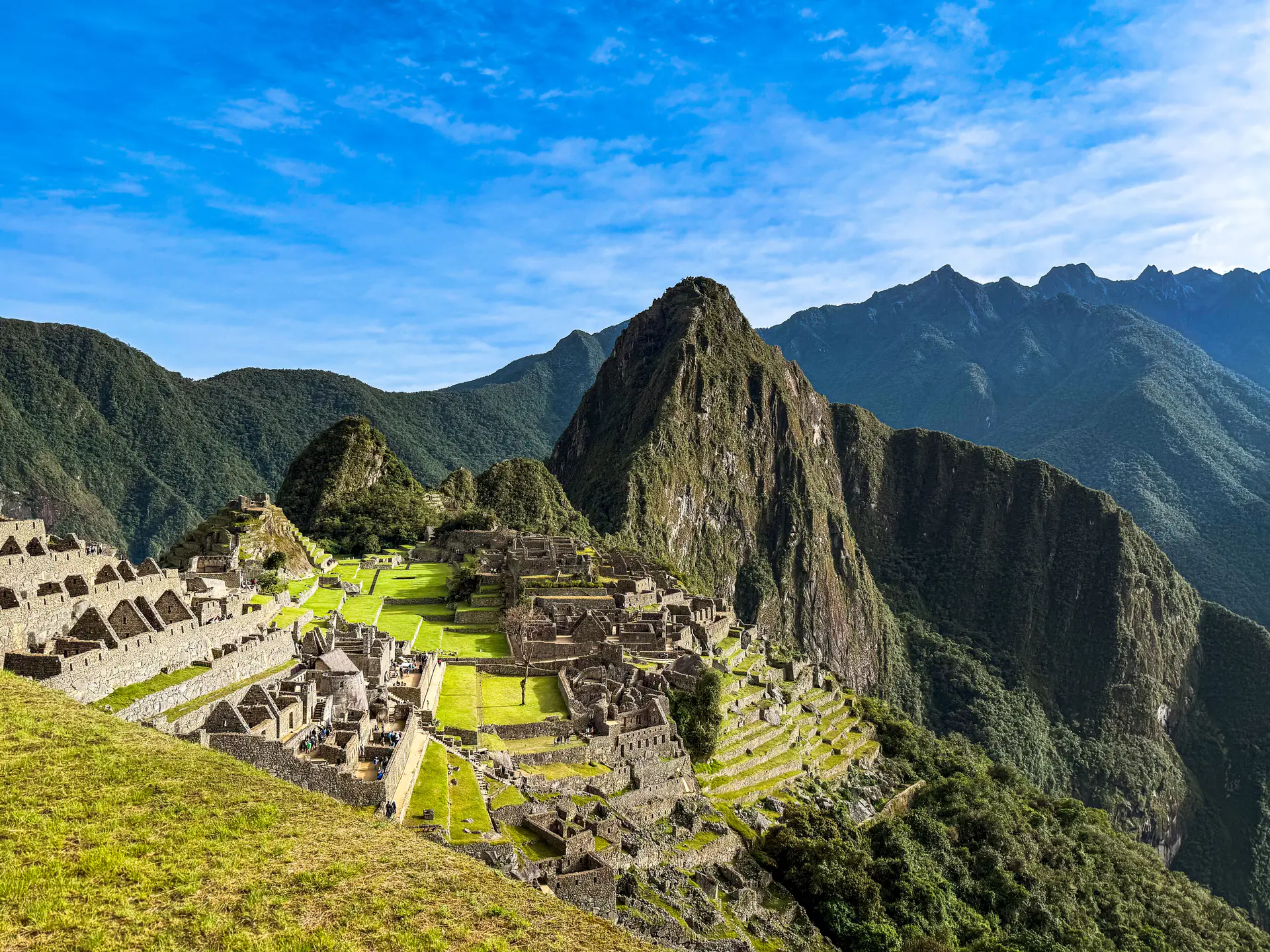
7 Day Journey of Ayahuasca, Andean Culture & Machu Picchu
 3 days
3 Day Ayahuasca Retreat in the Amazon Jungle
 1 days
1 Day Ayahuasca Experience in Cusco
Discussions
No comments yet.
Leave your opinion
Have an account? to comment with your profile