Is Ayahuasca Safe? What to Know Before a Ceremony
Ayahuasca is a psychoactive plant preparation traditionally used in parts of the Amazon for spiritual, cultural, and ceremonial purposes. Its effects can influence perception, emotions, cognition, and physical responses.
But is ayahuasca safe?
There is no universal answer. Research suggests that ayahuasca can be tolerated by many healthy people in controlled settings, but it can also cause adverse effects and interact with certain medications. Individual health, medications, the preparation itself, and the ceremonial environment can all influence safety.
For this reason, understanding the potential risks is an important part of preparing for an ayahuasca ceremony.
What Effects Can Ayahuasca Produce?
The effects of ayahuasca vary from person to person. Common physical and psychological effects may include:
Nausea and vomiting
Dizziness or light-headedness
Changes in heart rate or blood pressure
Changes in perception
Intense emotions
Anxiety or fear
Confusion or disorientation
The experience can also vary depending on the preparation, dose, individual characteristics, and setting.
Nausea or vomiting can occur during a ceremony, but these reactions should not automatically be interpreted as evidence that the experience is beneficial or that a person is “cleansing.”
What Are the Main Risks of Ayahuasca?
For most people researching ayahuasca safety, the most important consideration is whether an existing health condition or medication could increase the risk of an adverse reaction.
Cardiovascular Conditions
Ayahuasca can temporarily affect heart rate and blood pressure. People with cardiovascular disease, significant blood-pressure problems, or other heart-related concerns should seek medical advice before considering participation.
Mental Health Conditions
Ayahuasca can produce intense psychological experiences, including changes in perception, mood, and thought processes.
People with certain psychiatric conditions or significant mental health histories may have a higher risk of experiencing an adverse psychological reaction. If you have a mental health condition or are receiving treatment, discuss the potential risks with a qualified healthcare professional beforehand.
Pregnancy
There is currently insufficient evidence to establish the safety of ayahuasca during pregnancy. Because of this lack of evidence, pregnant people should not assume that ayahuasca is safe and should seek medical advice.
Ayahuasca and Medications: Why Does It Matter?
One of the most important safety issues is the potential interaction between ayahuasca and medications.
Ayahuasca commonly contains β-carboline alkaloids that inhibit monoamine oxidase-A (MAO-A). This can affect how certain substances are metabolized and may increase the risk of interactions.
Ayahuasca and Antidepressants
Particular caution is needed with some antidepressants and other medications that affect serotonin.
Combining substances that influence serotonin with MAO-inhibiting compounds can potentially lead to excessive serotonergic activity, including serotonin toxicity or serotonin syndrome.
If you take antidepressants or another prescription medication, consult a healthcare professional before participating.
Never stop or change prescribed medication on your own to attend an ayahuasca ceremony.
Who Should Not Take Ayahuasca?
There is no single list that applies identically to every preparation or individual. However, people who require particular caution include those with:
Certain cardiovascular conditions
Significant psychiatric conditions or relevant mental health histories
Medications with potential interactions
Pregnancy or possible pregnancy
Other serious medical conditions that have not been medically evaluated
If you have a medical condition or take medication, an individual assessment from a qualified healthcare professional is more appropriate than relying only on general information from a ceremony organizer.
What Should You Tell a Ceremony Organizer?
Before participating, provide accurate information about anything that could affect your safety, including:
Prescription and non-prescription medications
Supplements
Psychoactive or recreational substances
Medical conditions
Relevant mental health history
Pregnancy or possible pregnancy
Previous serious reactions to psychoactive substances
A responsible organizer should take this information seriously rather than encouraging participants to hide medical conditions or medications.
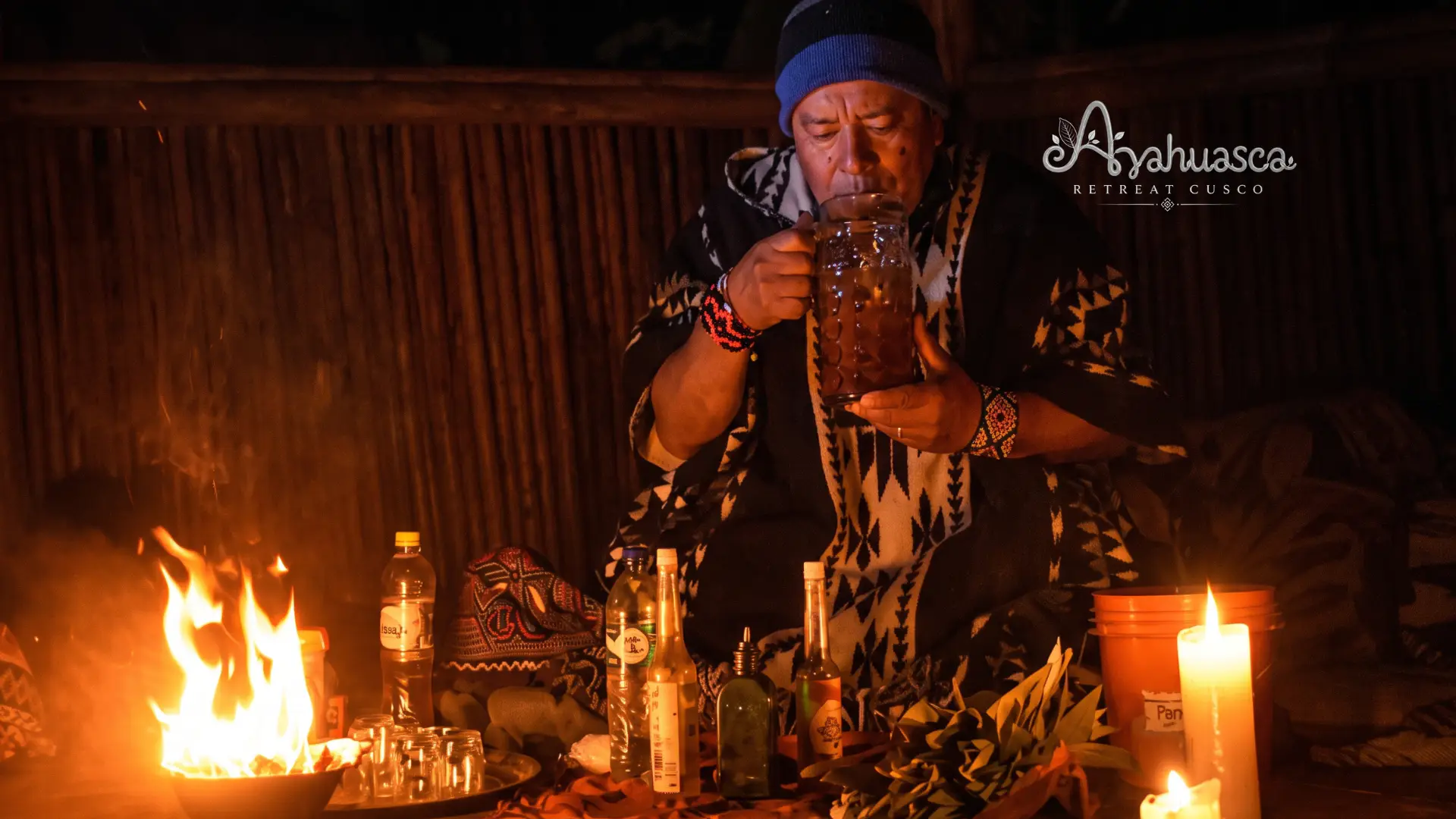
How Can You Choose a Responsible Ayahuasca Ceremony?
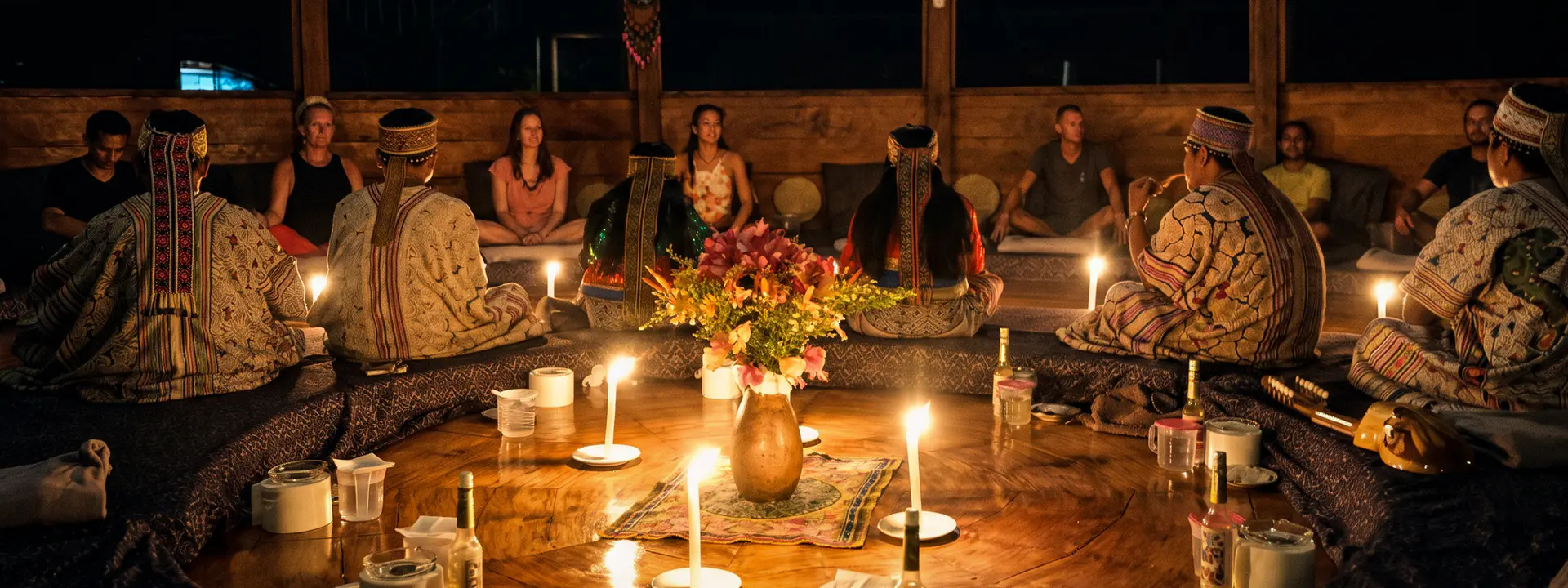
The setting is another important part of ayahuasca safety.
Clear Information Beforehand
You should receive understandable information about the ceremony, possible effects, preparation requirements, and potential risks.
Pre-Ceremony Screening
A responsible ceremony should have some form of screening or conversation to identify relevant health concerns before participation.
Adequate Supervision
Ask who will be present during the ceremony and what type of support is available if someone becomes physically or psychologically distressed.
Emergency Procedures
Find out what happens if a participant develops a serious reaction and whether medical assistance can be obtained when necessary.
Respect for Participant Limits
You should never feel pressured to participate, continue, or consume a particular amount. Being able to ask questions and communicate discomfort is an important part of a responsible environment.
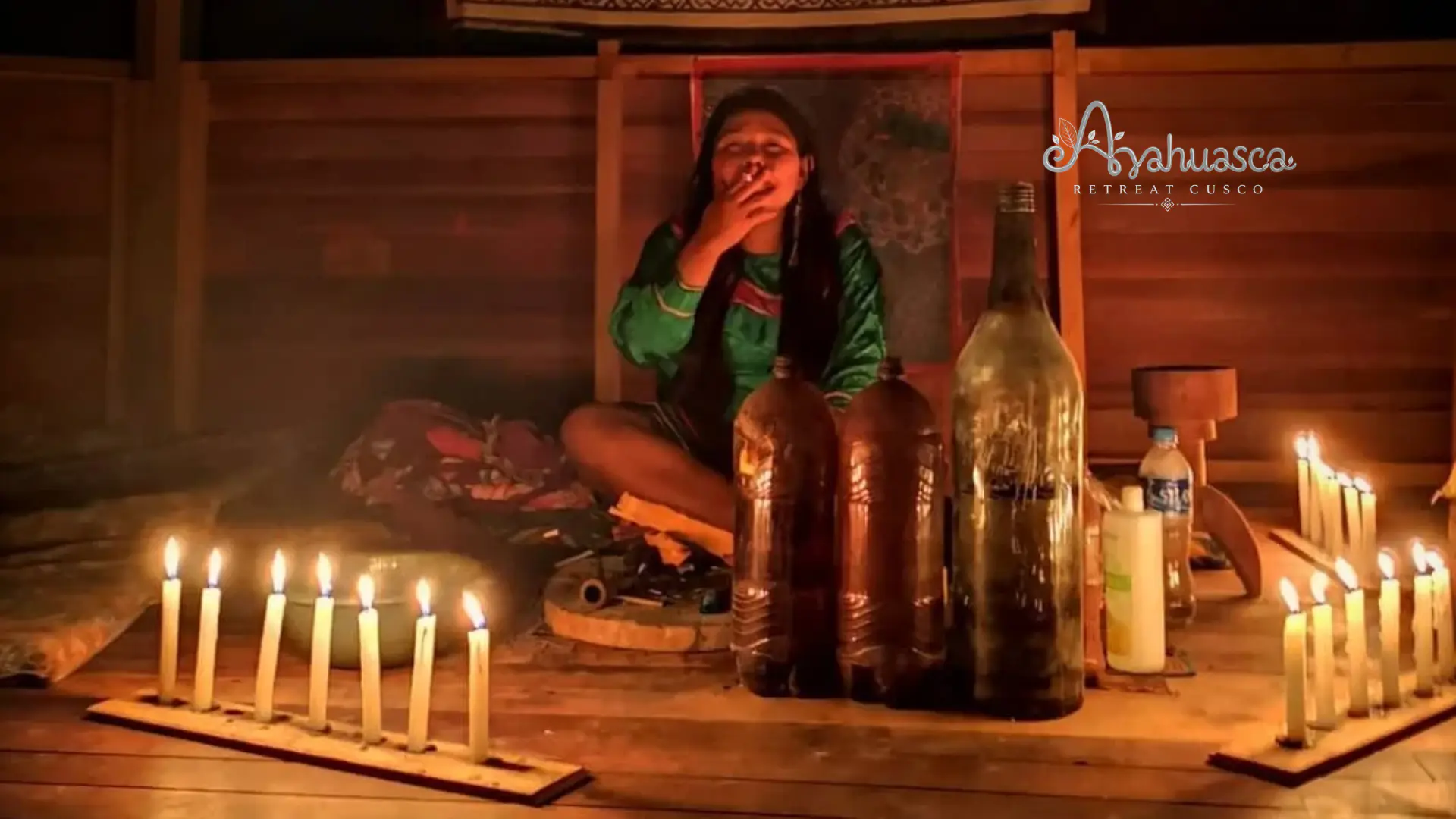
How Should You Prepare for an Ayahuasca Ceremony?
Preparation is not only about diet or what to bring. It should also include understanding your own health situation.
Before the ceremony:
Review your medications and supplements.
Disclose relevant health conditions.
Ask about possible drug interactions.
Understand how the ceremony will be conducted.
Ask what support is available during the experience.
Do not change prescribed medication without medical guidance.
If you have doubts about whether ayahuasca is appropriate for you, resolve those questions before participating.
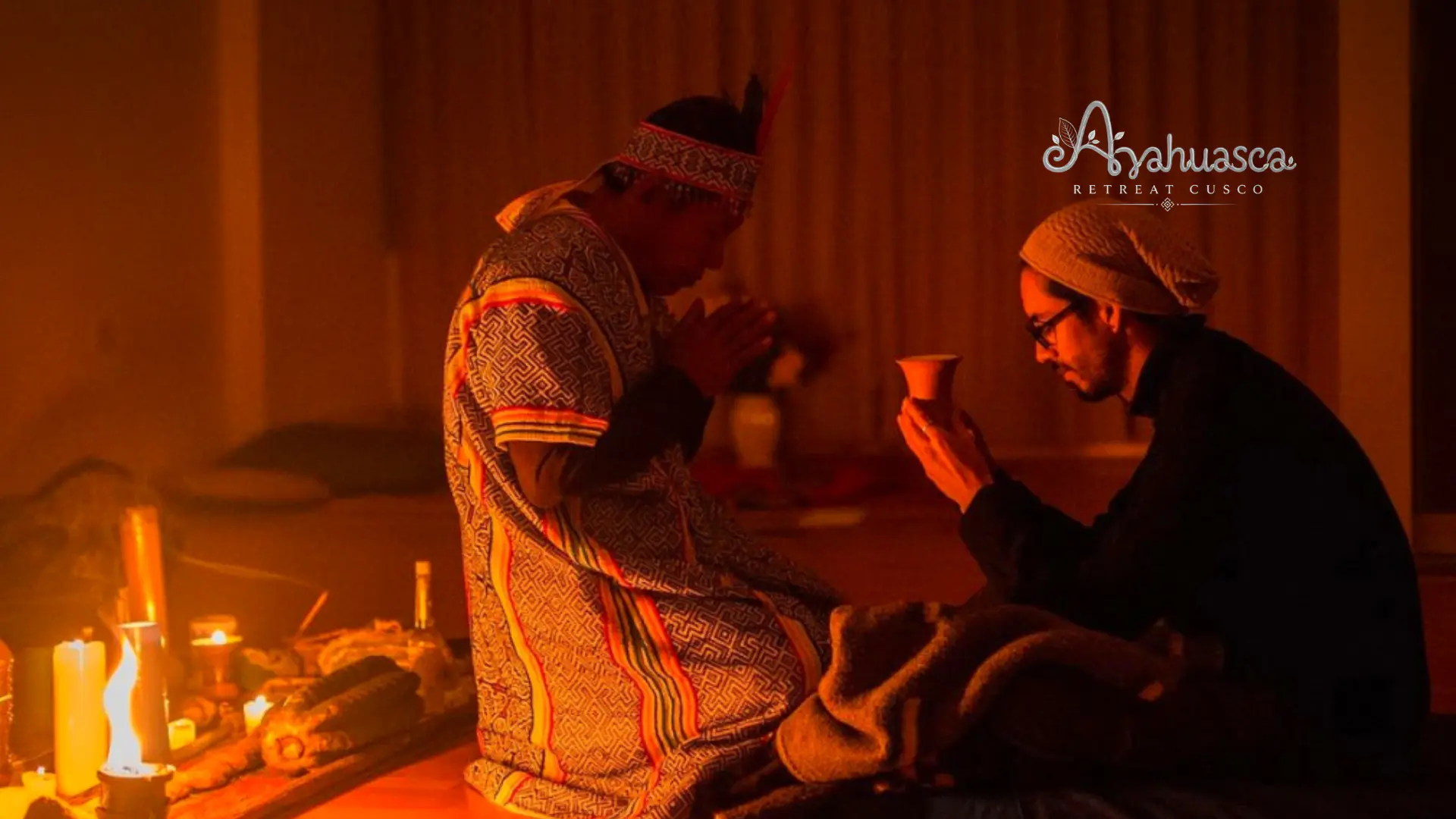
Frequently Asked Questions About Ayahuasca Safety
Is ayahuasca safe for everyone?
No. Individual health, medications, preparation, dose, and setting can affect the potential risks.
What are the most common ayahuasca side effects?
Nausea, vomiting, dizziness, changes in perception, emotional intensity, anxiety, and temporary changes in heart rate or blood pressure are among the effects that may occur.
Can I take ayahuasca if I use antidepressants?
Do not assume that it is safe. Some antidepressants may interact with ayahuasca's MAO-inhibiting compounds. Consult a healthcare professional and never stop medication on your own.
Can ayahuasca affect blood pressure?
Yes. Temporary changes in blood pressure and heart rate have been reported. People with cardiovascular conditions should seek appropriate medical advice before participating.
Can ayahuasca cause anxiety or panic?
The experience can involve intense emotions, fear, anxiety, or confusion. Individual responses vary.
Is ayahuasca safe during pregnancy?
There is not enough evidence to establish its safety during pregnancy. Pregnant people should seek medical advice rather than assuming it is safe.
What should I tell a ceremony facilitator?
Tell them about relevant medications, supplements, medical conditions, mental health history, pregnancy, and other substances you use.
What makes an ayahuasca ceremony more responsible?
Clear information, appropriate participant screening, attentive supervision, respect for personal limits, and a plan for responding to emergencies are important factors.
Available Tours
 1 days
1 Day Ayahuasca Experience in Cusco
 5 days
5-Day Ayahuasca Retreat in Huayopata - Cusco
 7 days
7 Day Journey of Ayahuasca, Andean Culture & Machu Picchu
 1 days
1 Day San Pedro (Wachuma) Experience in Cusco
 4 days
Ayahuasca 4 Days
 3 days
3 Day Ayahuasca Retreat in the Amazon Jungle
Discussions
No comments yet.
Leave your opinion
Have an account? to comment with your profile